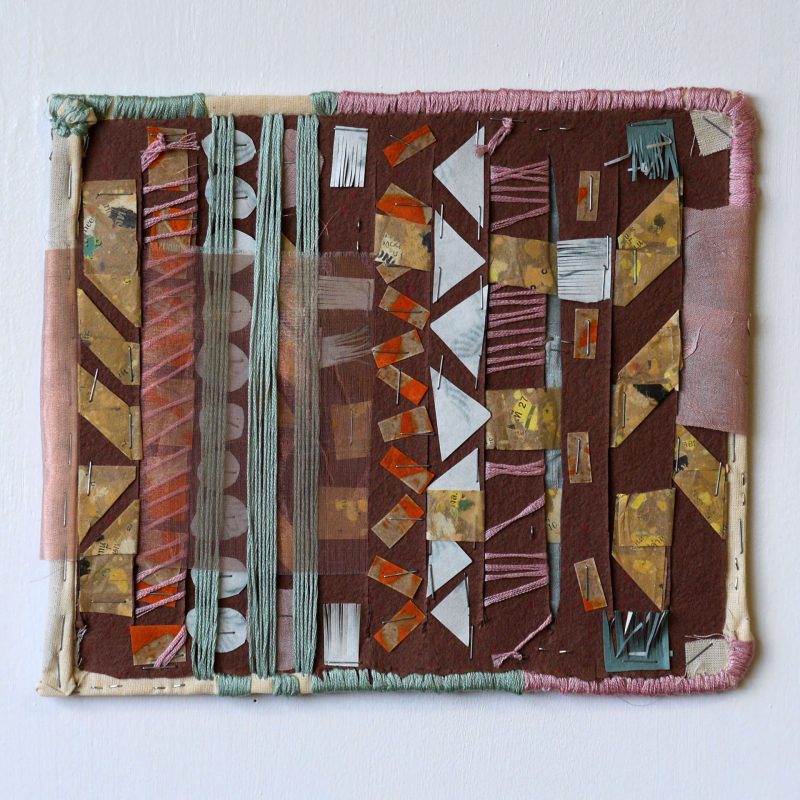
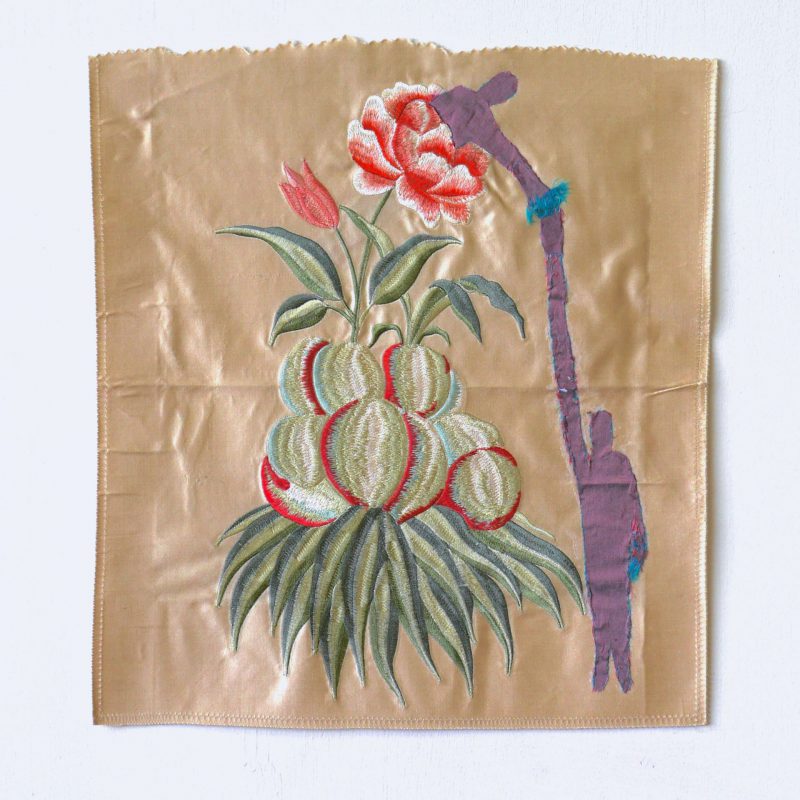
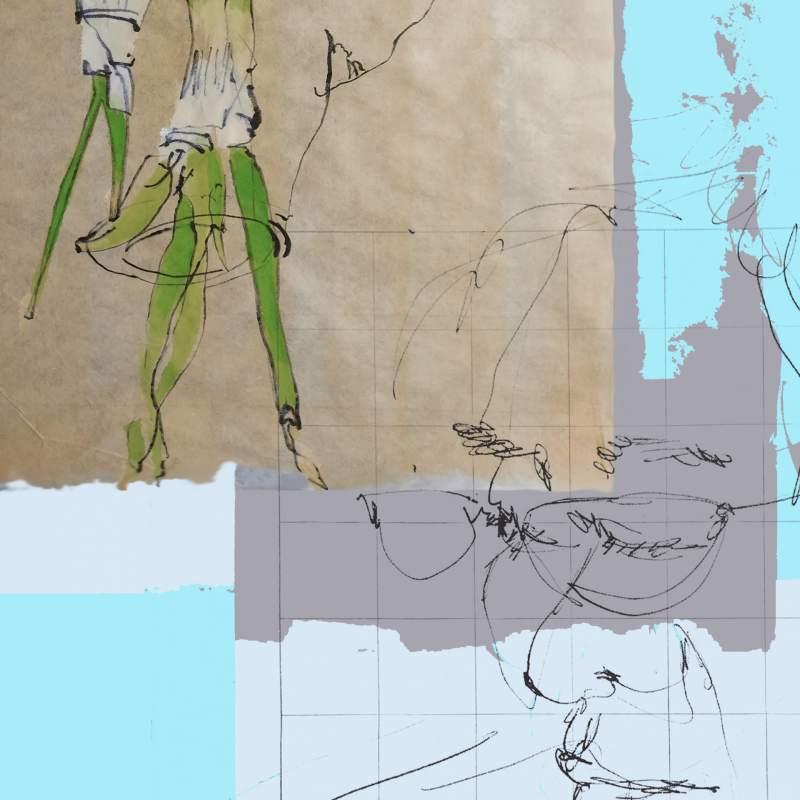
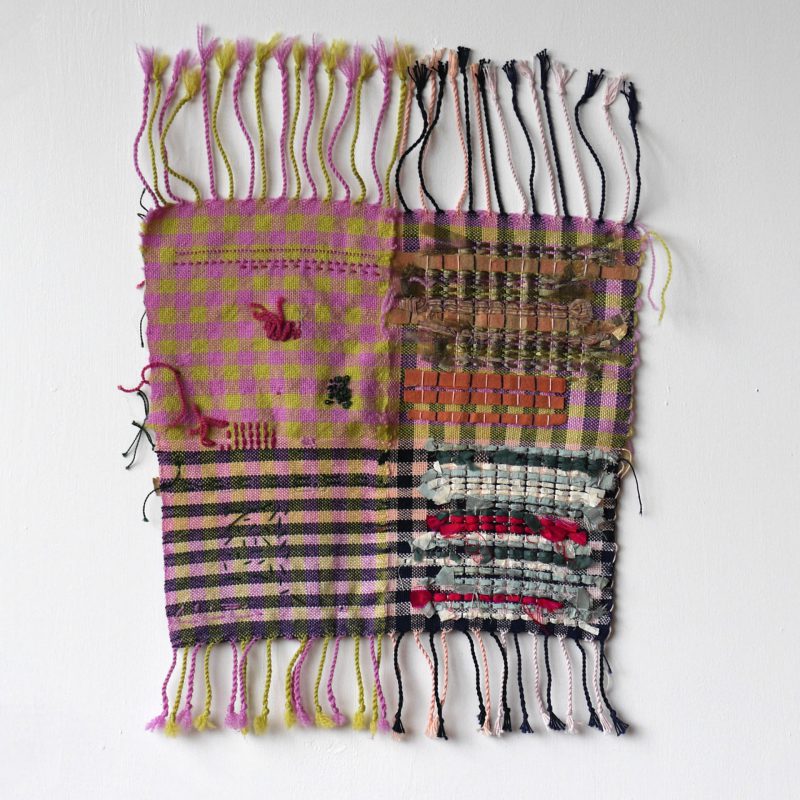
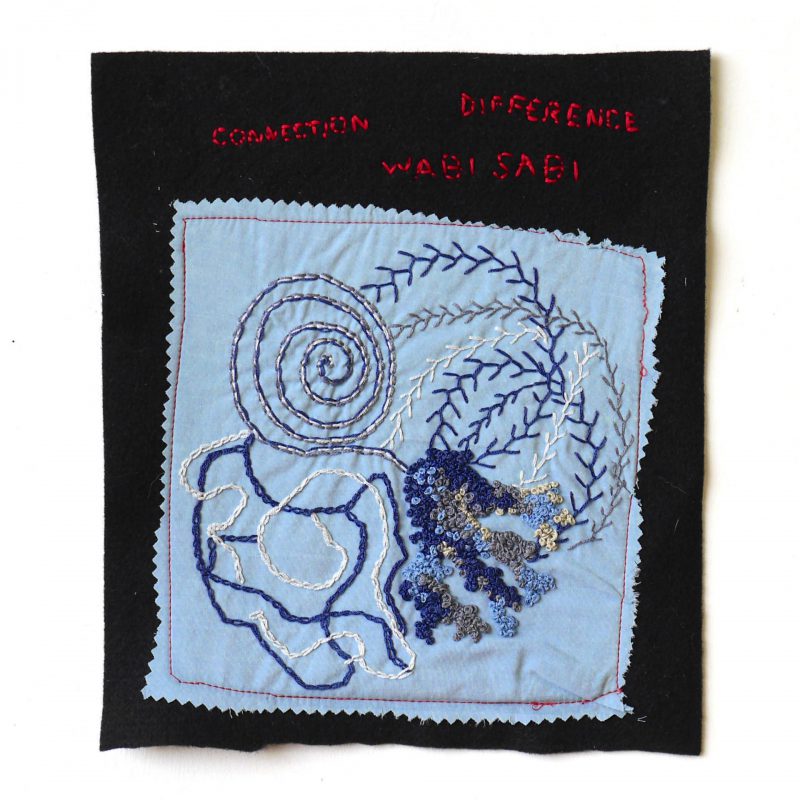
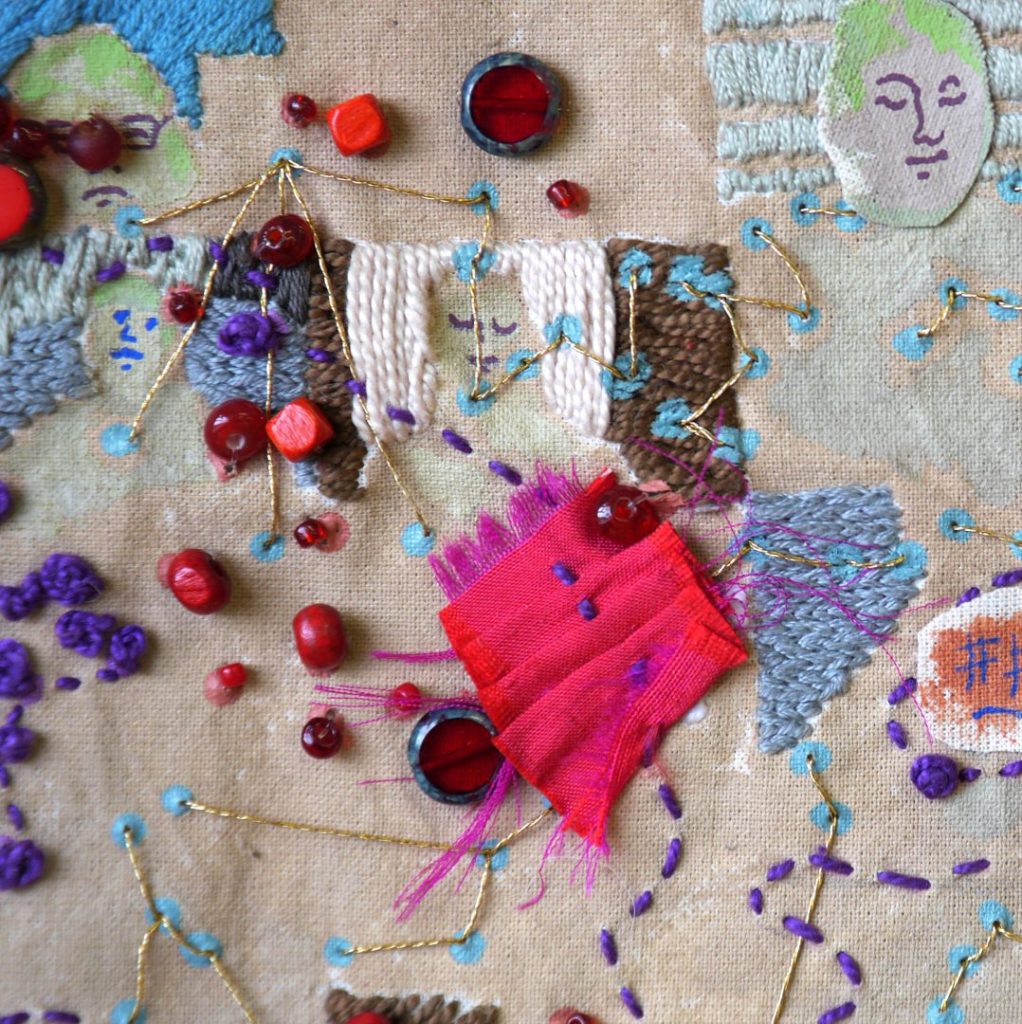
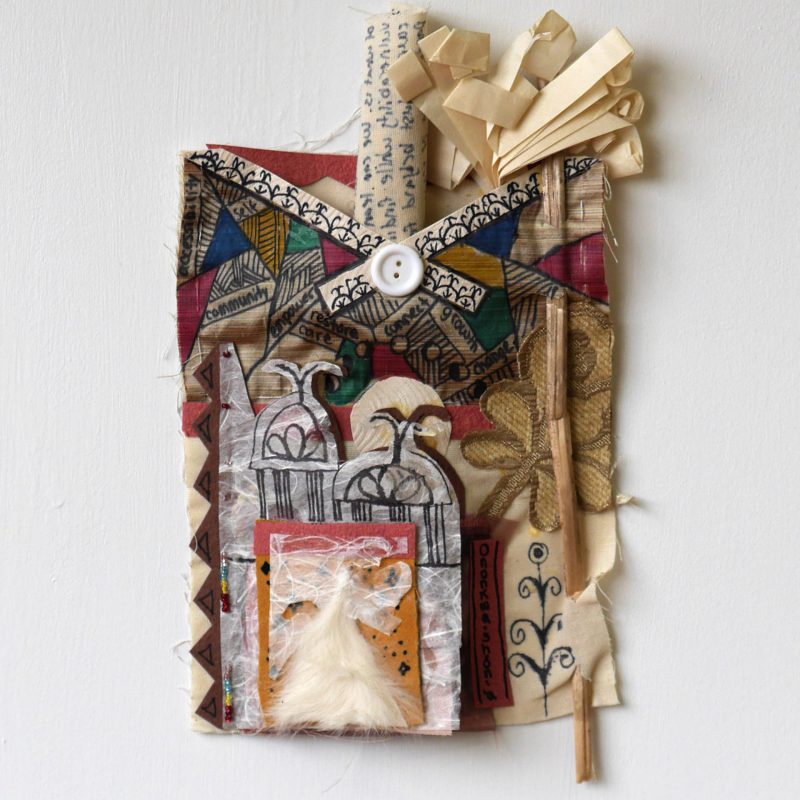
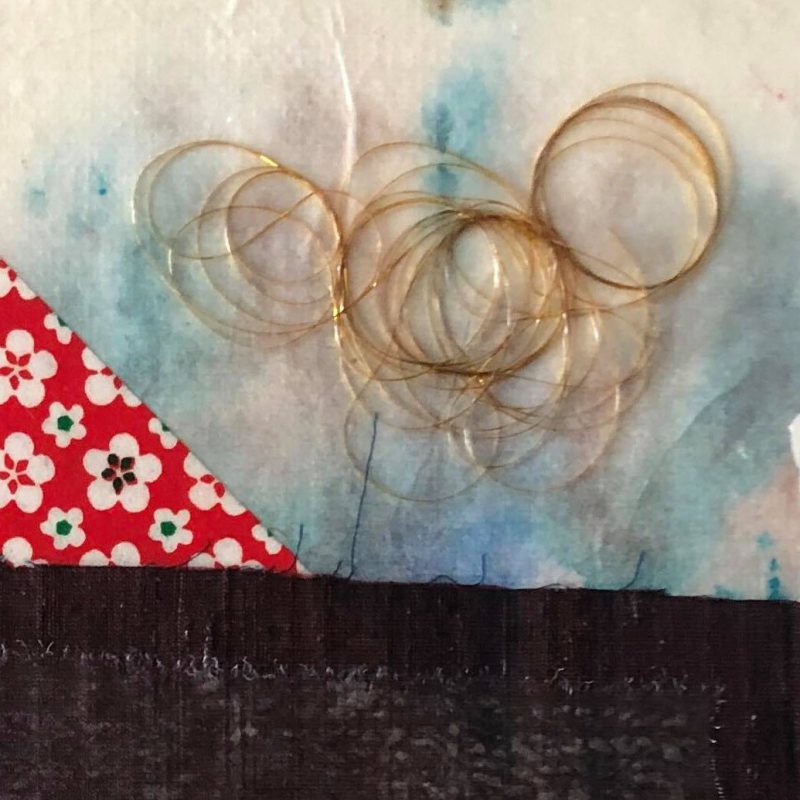
Art fills most of my time, probably just as much as before the pandemic, but it’s different now. More art with family, slower art and therapeutic making for myself. Art enters my domestic space, the domestic space enters my art. Art allows me to engage, with others, with myself, with the past and the future.
— Anie Toole
On March 11, 2020, the World Health Organization declared COVID-19 a global pandemic. At that time, there were more than 118,000 cases reported in 114 countries, and 4,291 people had lost their lives.* While countries such as China and the Republic of Korea had already been deeply impacted by the virus, much of the rest of the world was just starting to be so. Recognizing the dire need to reduce community transmission in order to save individuals’ lives and ensure continued viability of our hospitals and health care systems, much of Western Europe and North America went into lockdown. By order of public health officials and governments, many individuals were told to stay home. Some were able to work from home, others were ‘furloughed’ – such an innocuous-sounding word for laid-off, potentially forever.
As of March 13, here in Quebec, schools and universities were closed to in-person activities. By the end of the month, we had begun to learn how to connect through Zoom, all of us teaching and learning from home through the late winter and spring of 2020. Museums, galleries and cultural institutions were shut down as well. Performances – theatre, music, dance – were halted; tours were canceled. Movie theatres were dark as were the sound stages and film studios where motion pictures are produced. In more benevolent nations, governments instituted financial relief programs for individuals. But countries’ and territories’ responses were confusingly non-unilateral. Sweden, for instance, home to one of the contributors to What is Art For?, continued with a ‘business as usual’ model that seemed perplexingly at odds with other countries’ stricter responses, even as cases in Sweden continued to mount.**
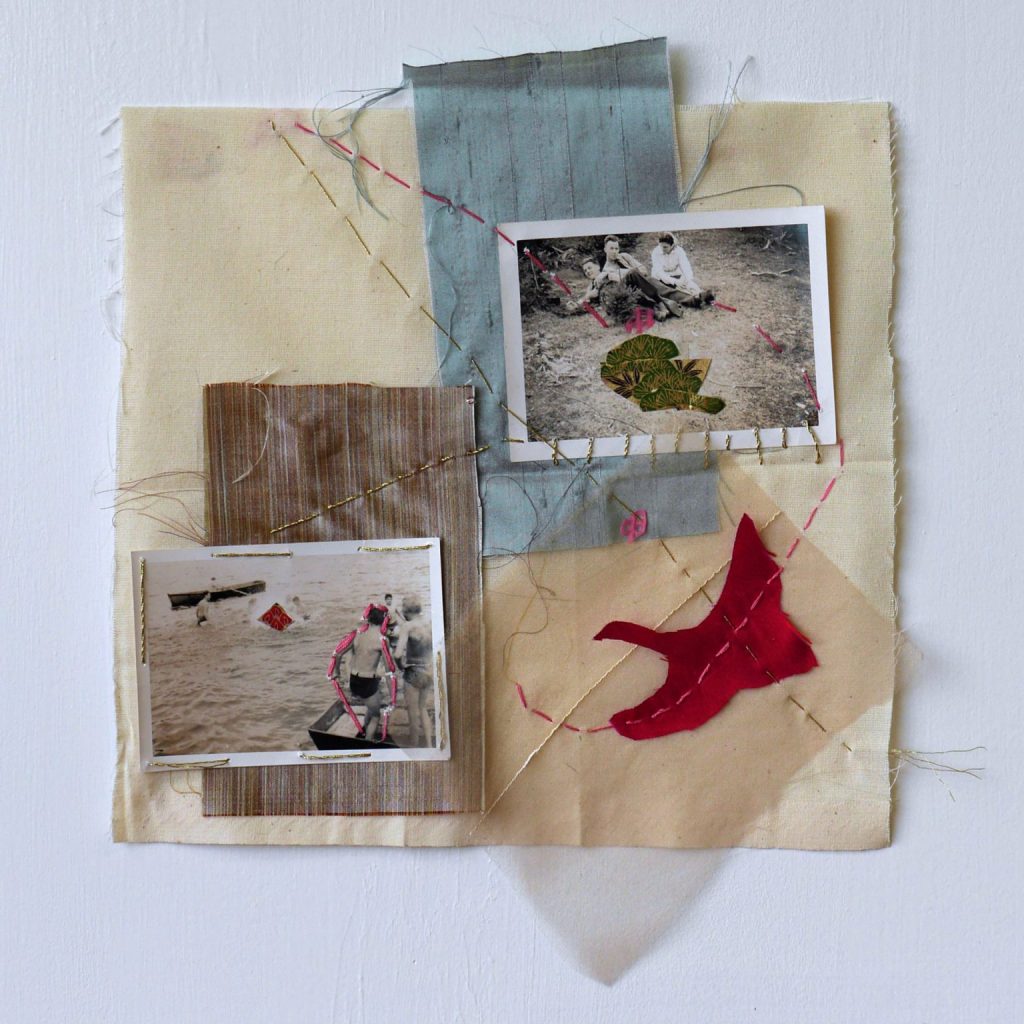
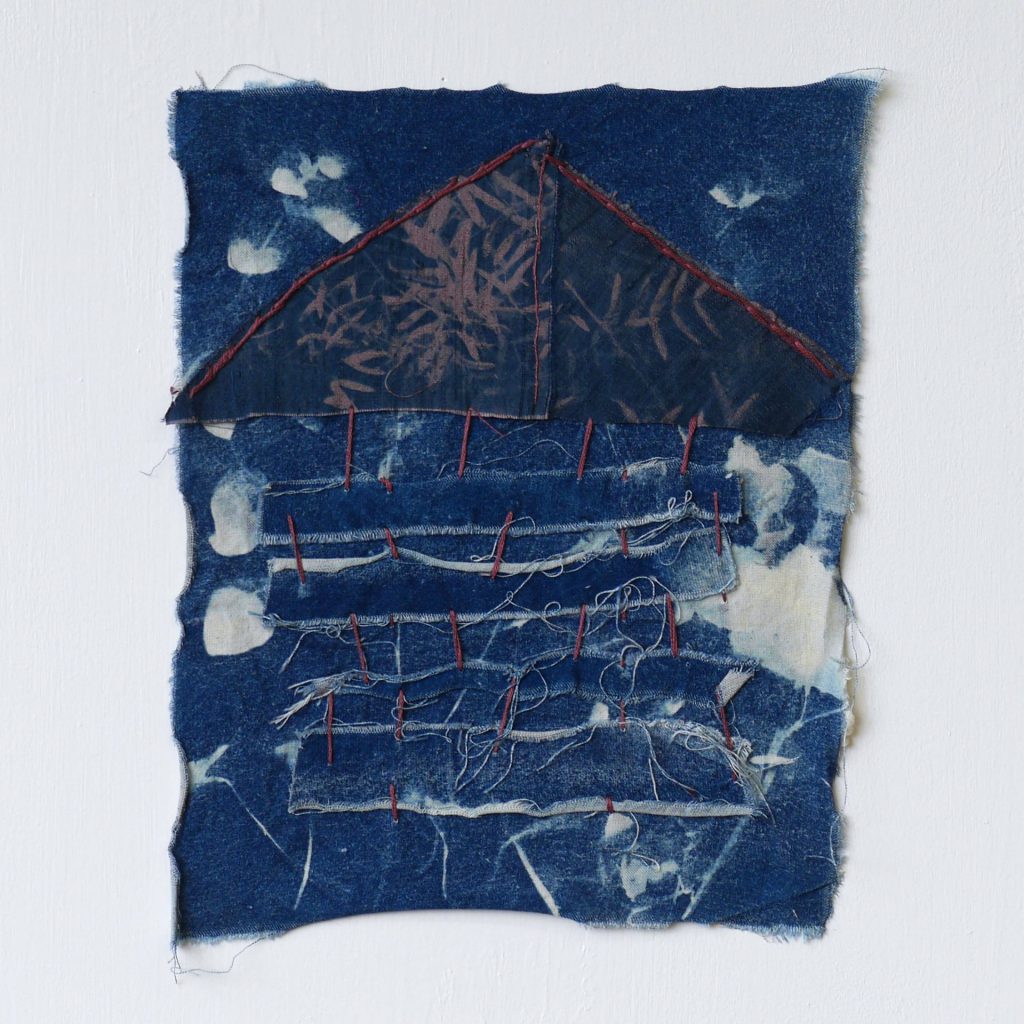
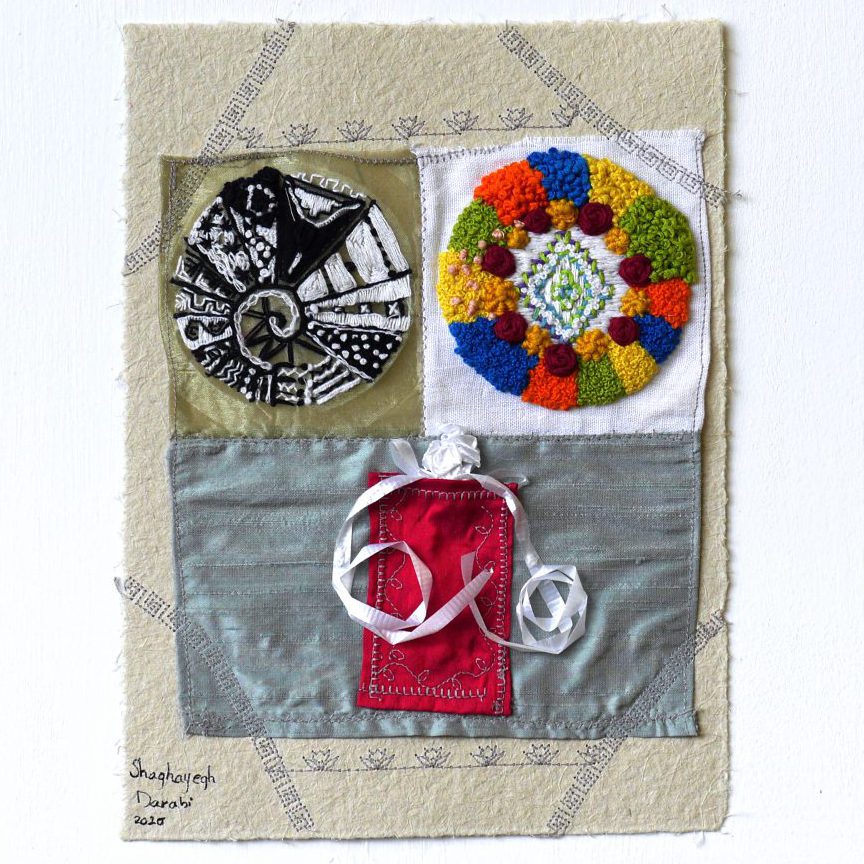
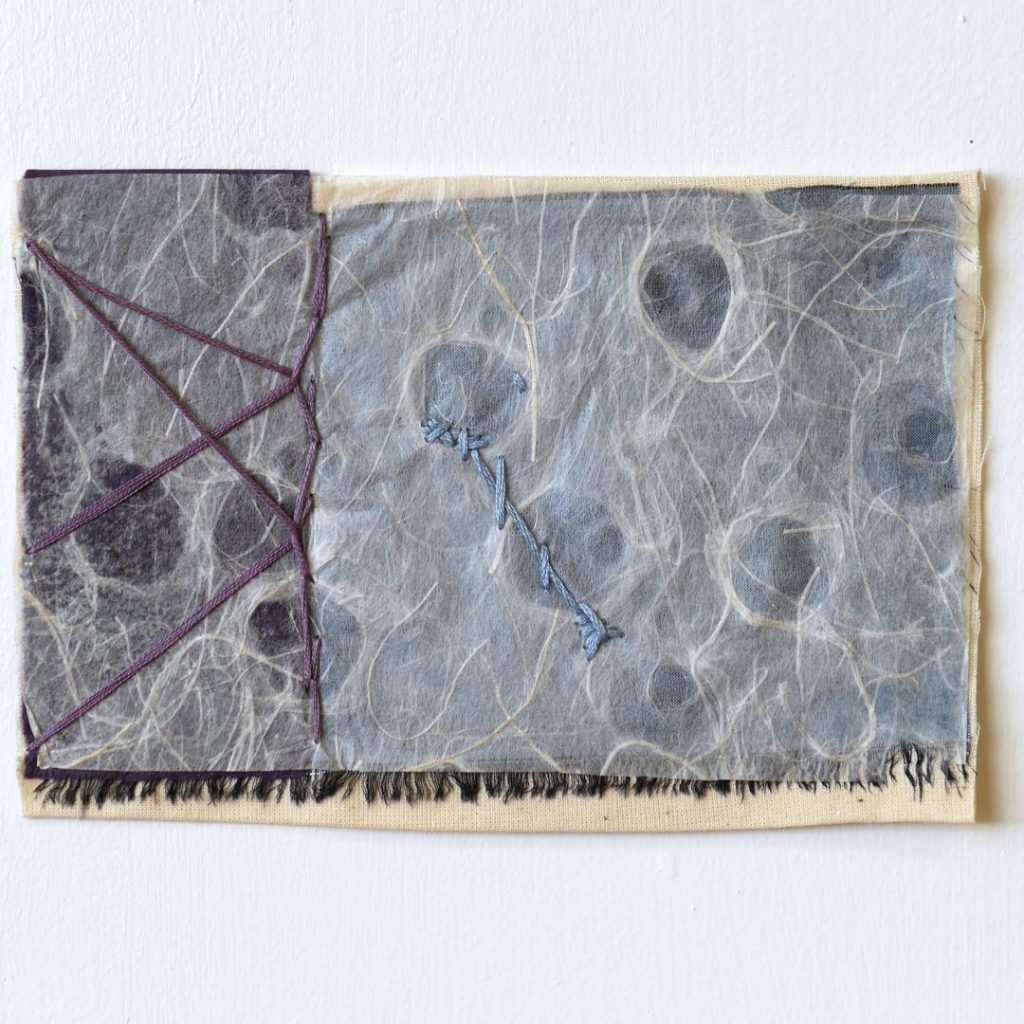
Those of us in sites of lockdown were isolated from people outside our domiciles, and we missed our friends and family members. Many of us missed the work we loved as well. And so it is perhaps to be expected that when a group of artists and crafters are asked What is art for in this time of pandemic, many responded with ‘comforting’ and ‘connecting.’ Works in this grid ‘bring together’ – be they images of human figures and faces, and outreached hands; collaged and interwoven materials, some tenderly wrapped, braided, and held; or even collections of beans. The soothing plushy teddy and the sweet nostalgia of family holiday snaps seem to simultaneously evoke a happier past and wish for a better future to come.
A year in, many of us still struggle with lockdowns, curfews and disconnections, and deal with the grief of great losses, personal and social. As of March 5, 2021, the pandemic has reached nearly every country on earth, sickening 115,682,700 individuals and killing 2,569,700.*** Now, vaccinations are beginning, as we race to protect each other against the rise of a third wave of infections and new, more contagious variants. A year after the pandemic was named as such, we are still in need of the comfort and connection that art can offer, that can be components of the resilience we strive to find.
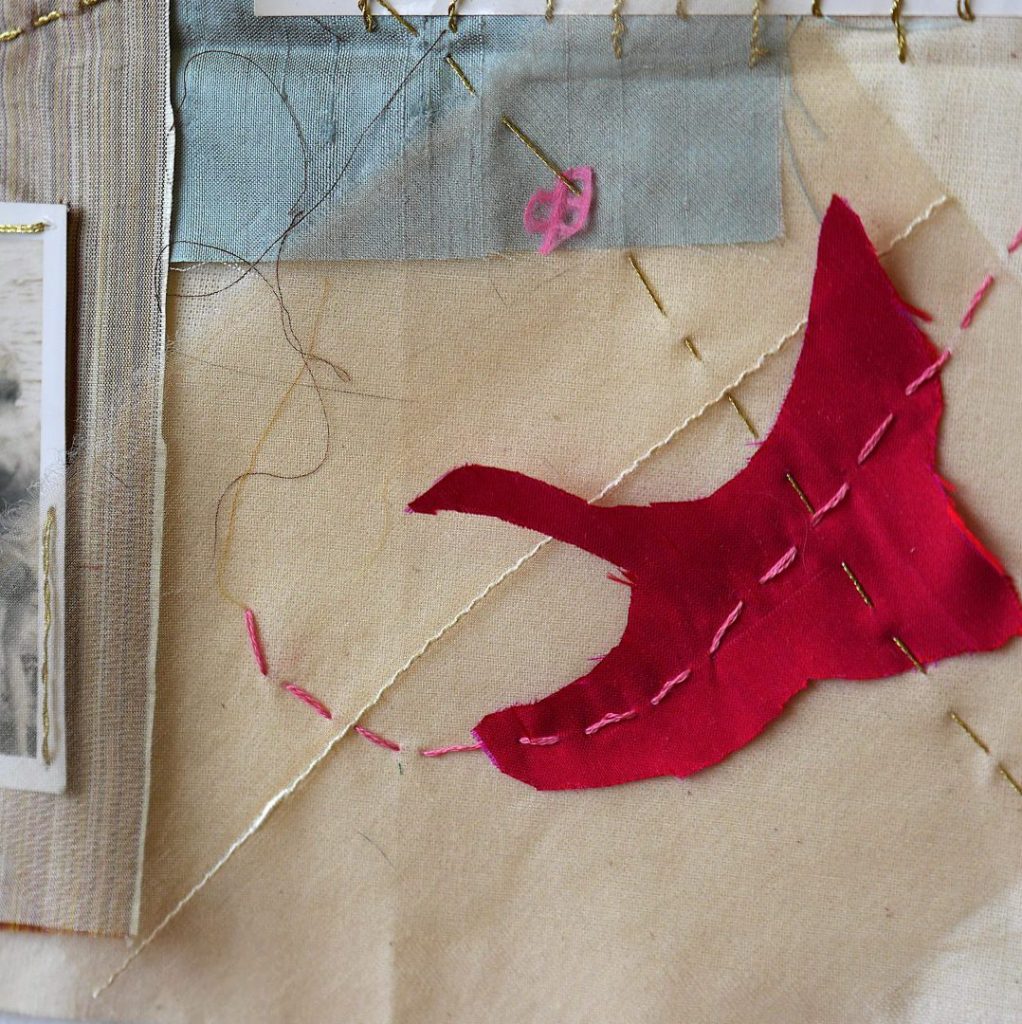
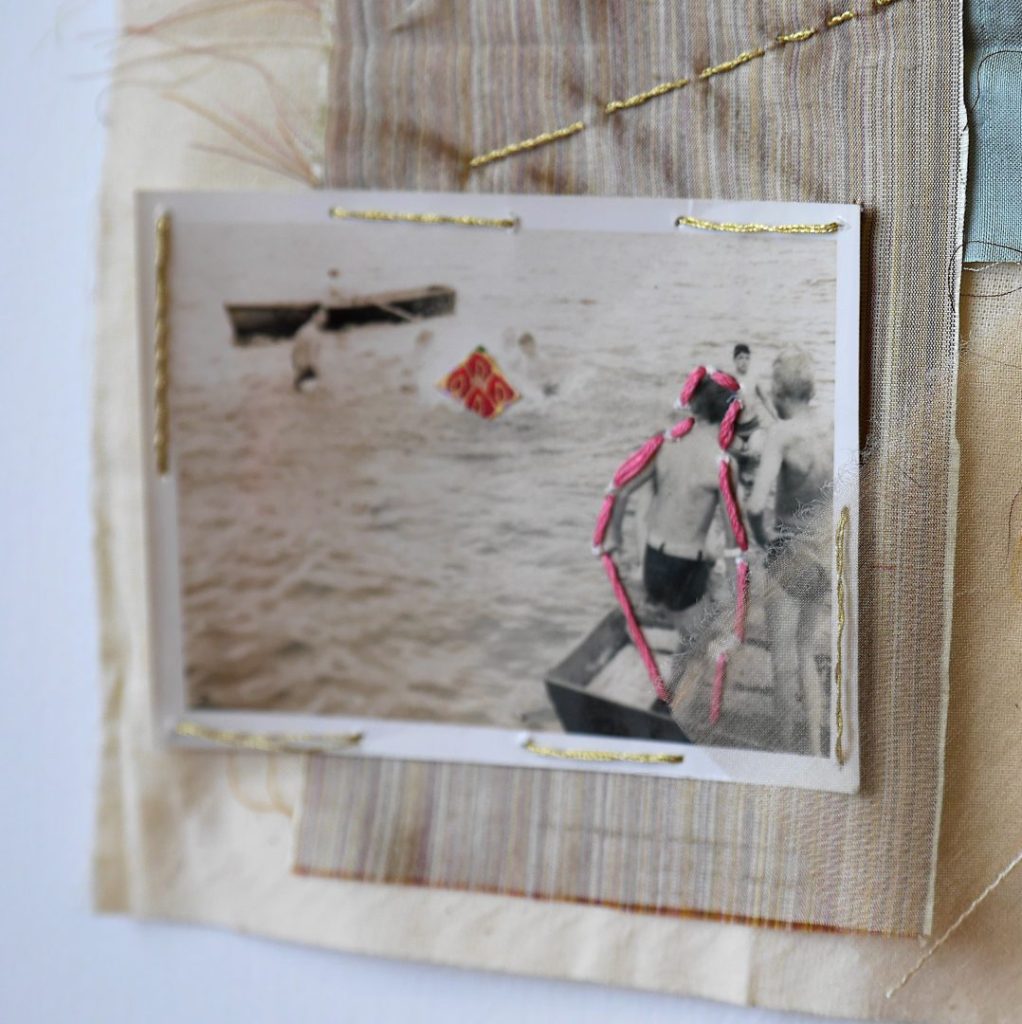
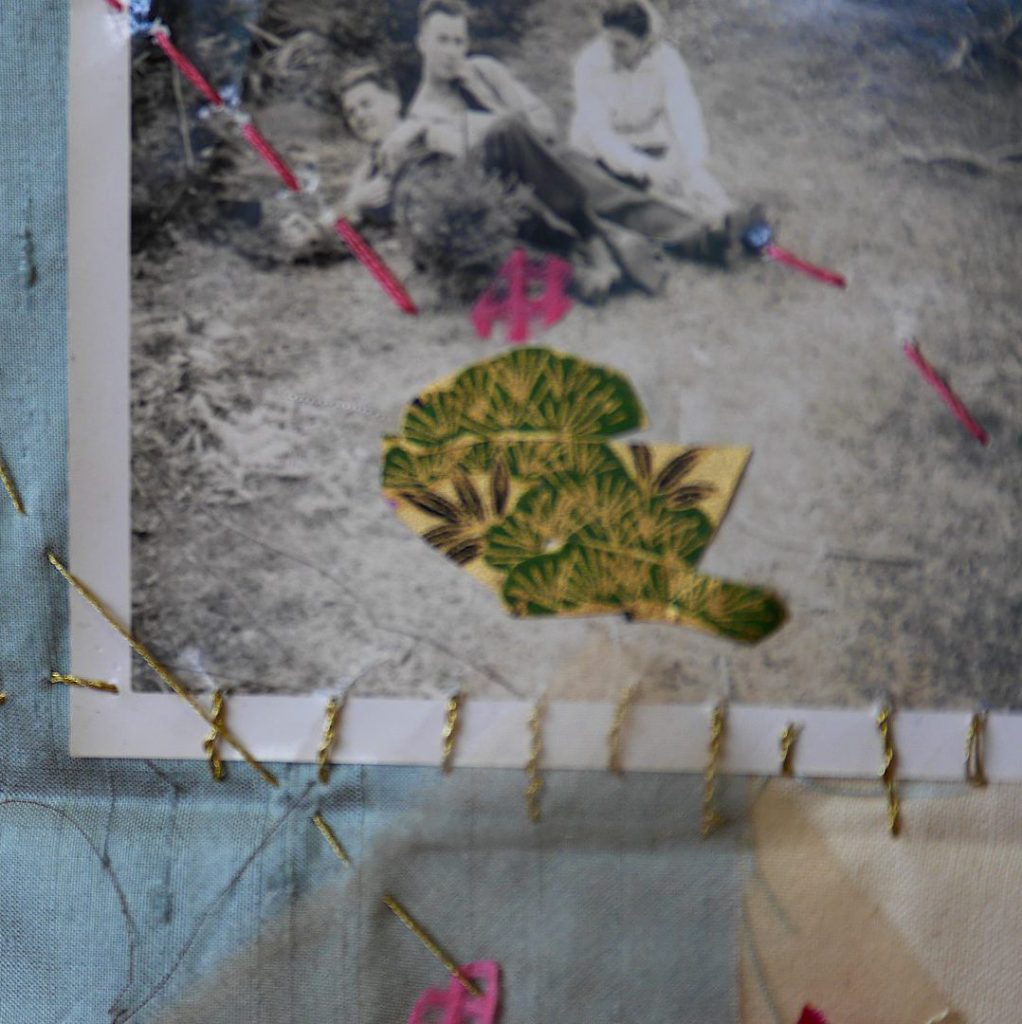
MARIA EZCURRA // Montréal, Quebec, Canada
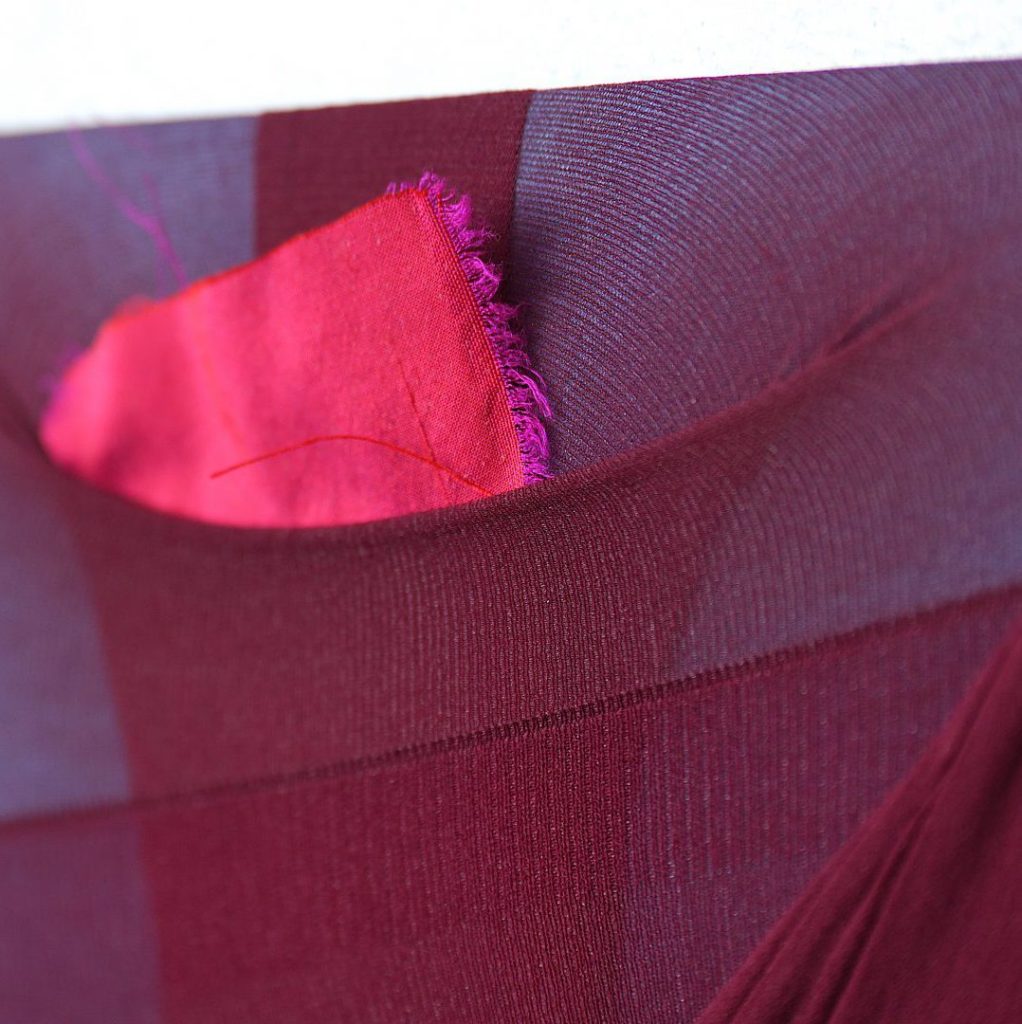
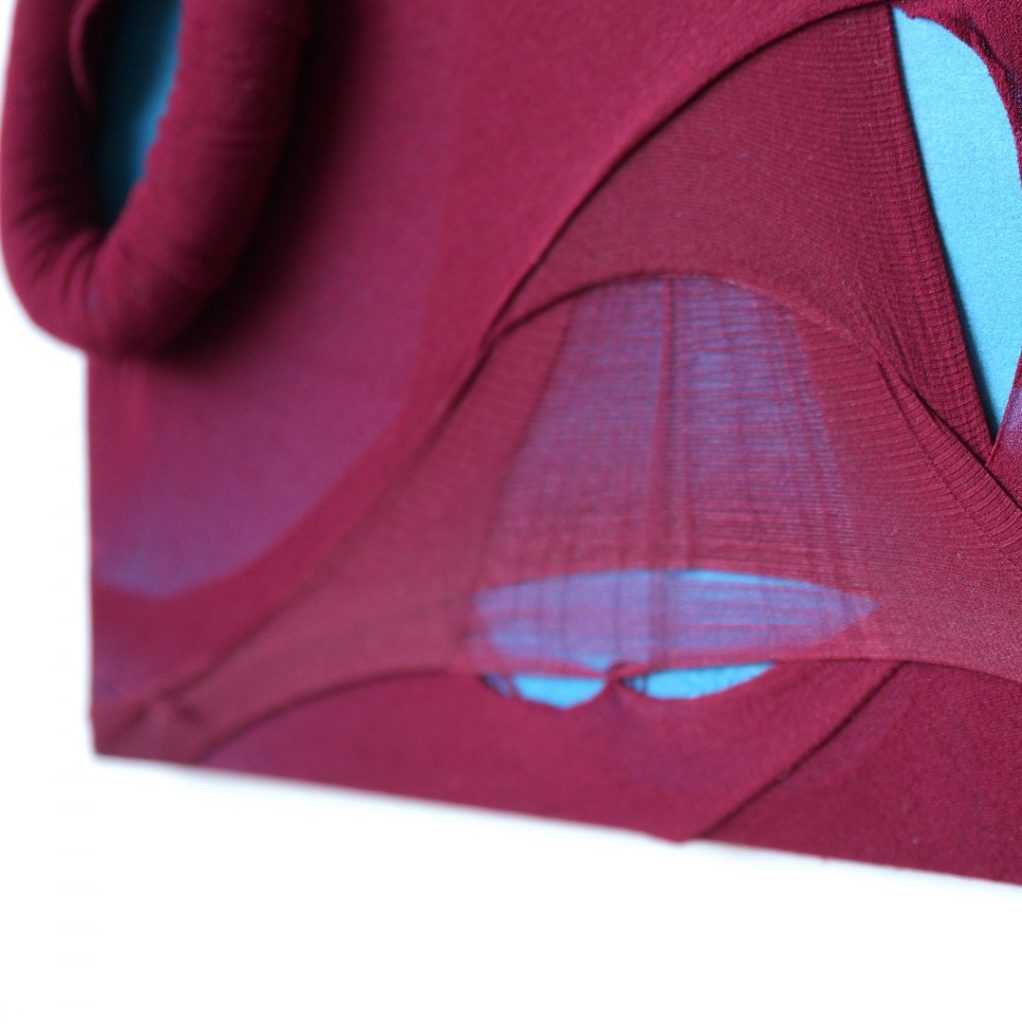
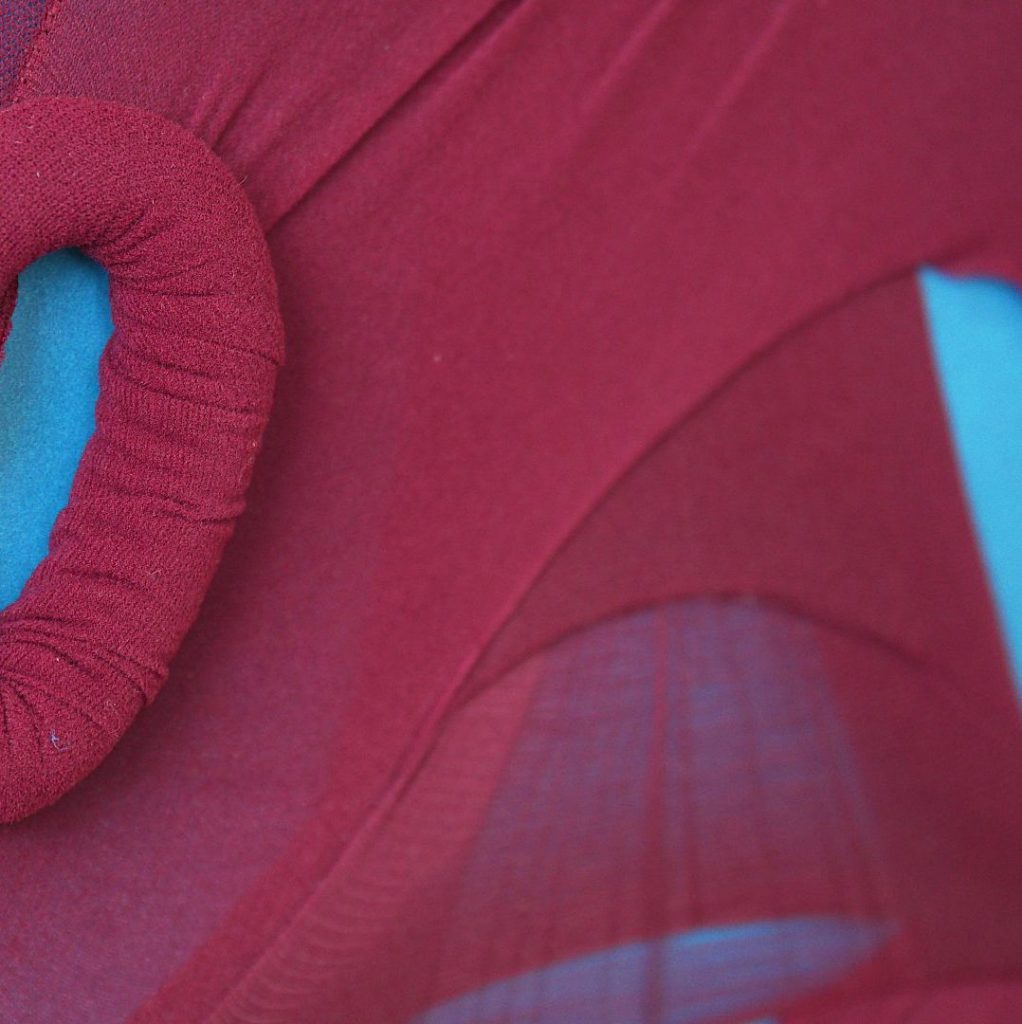
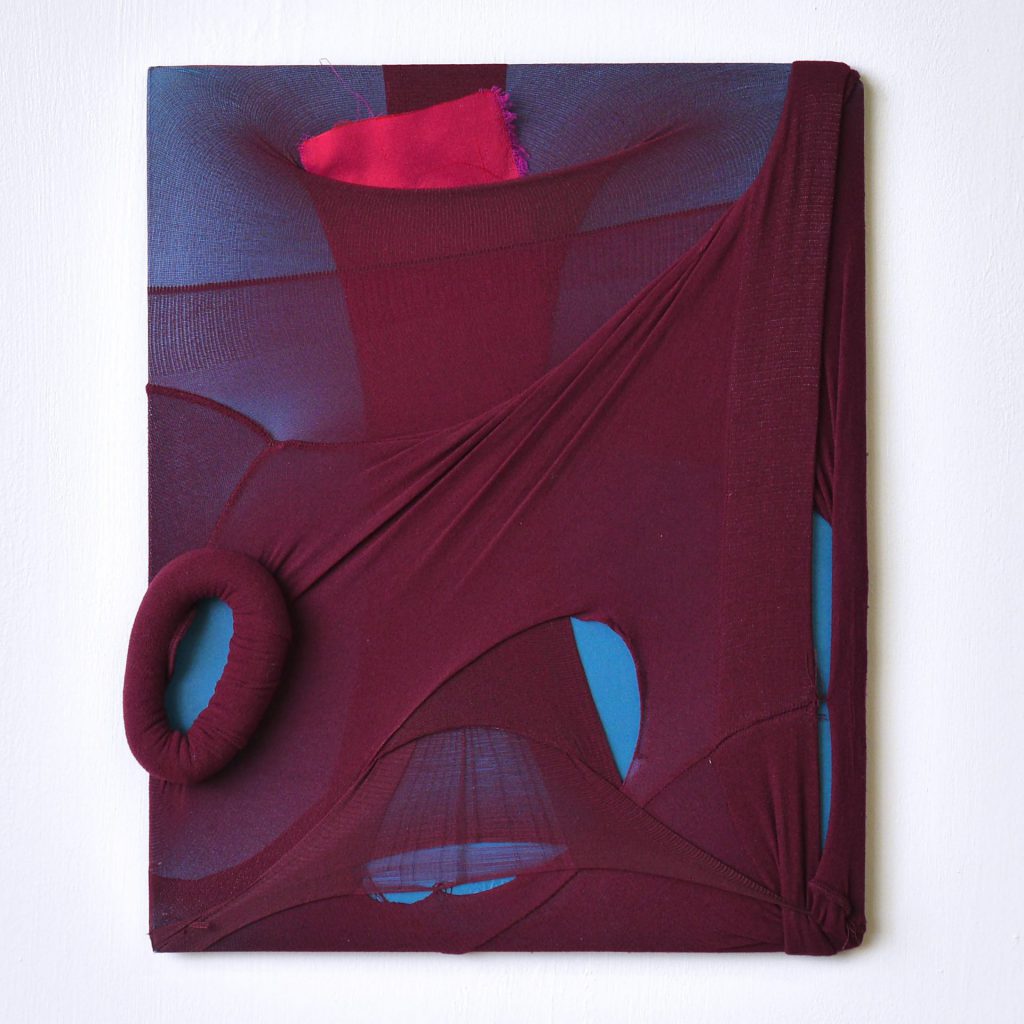
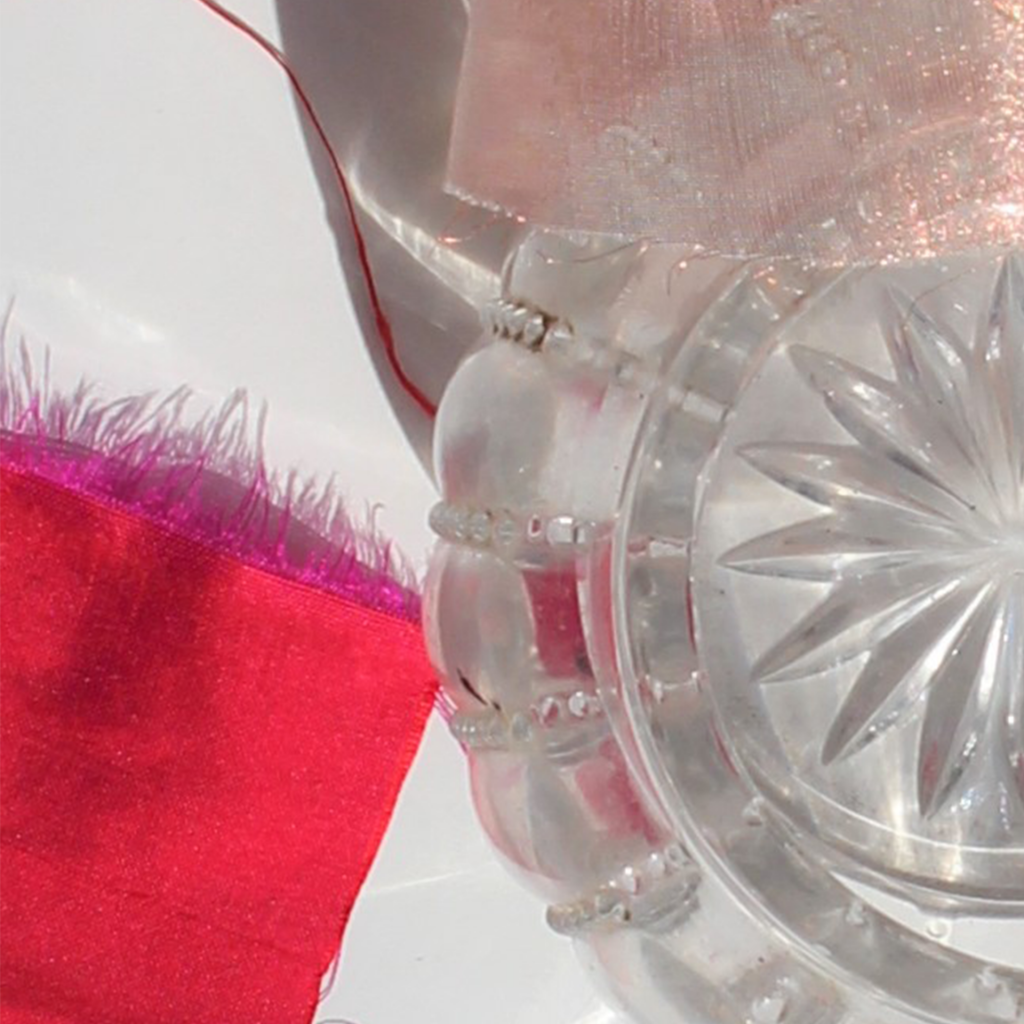
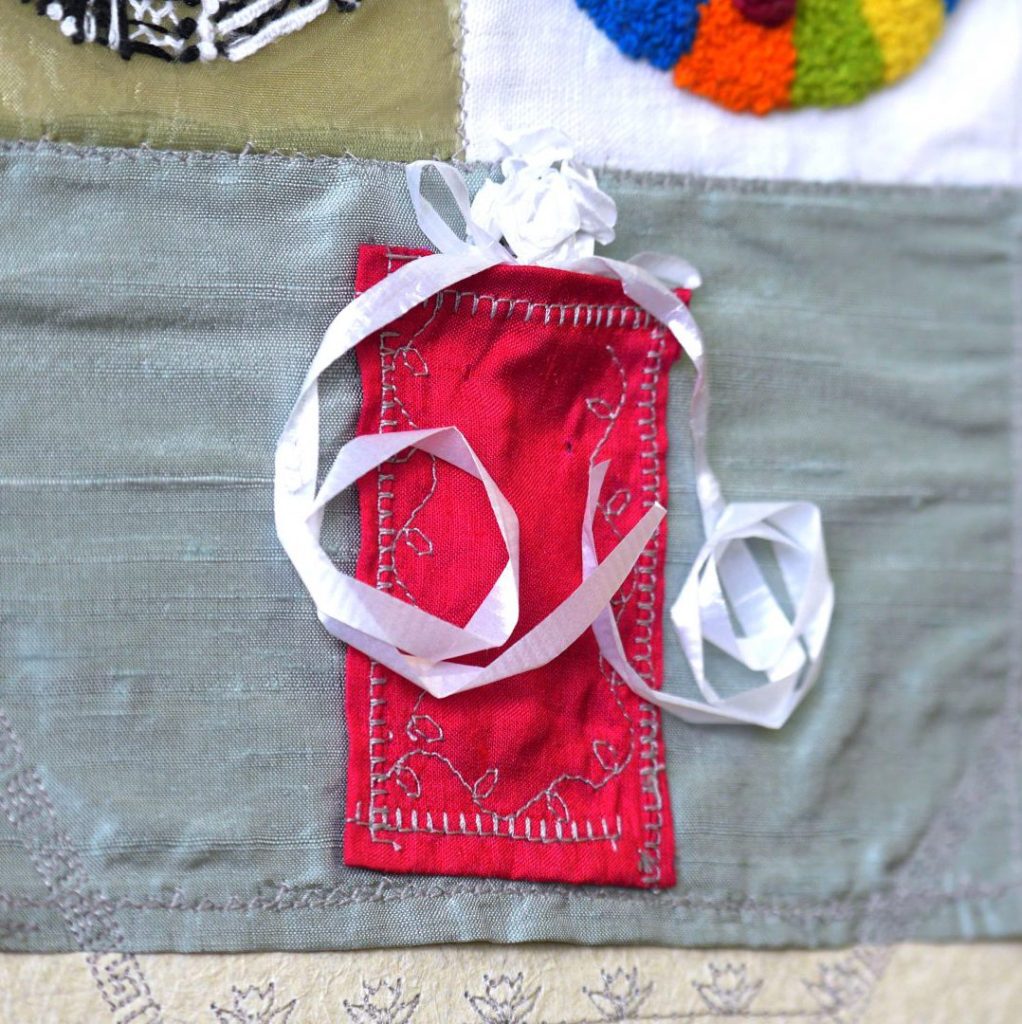
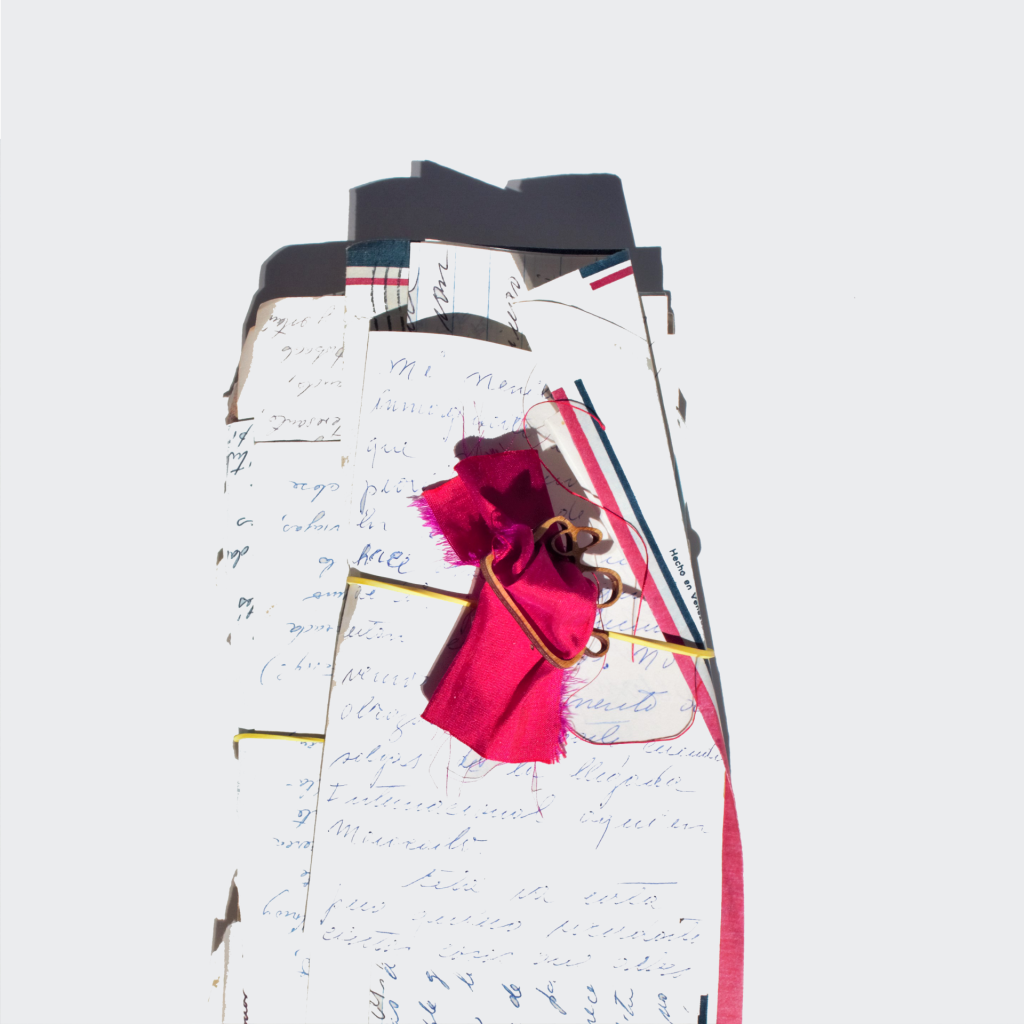
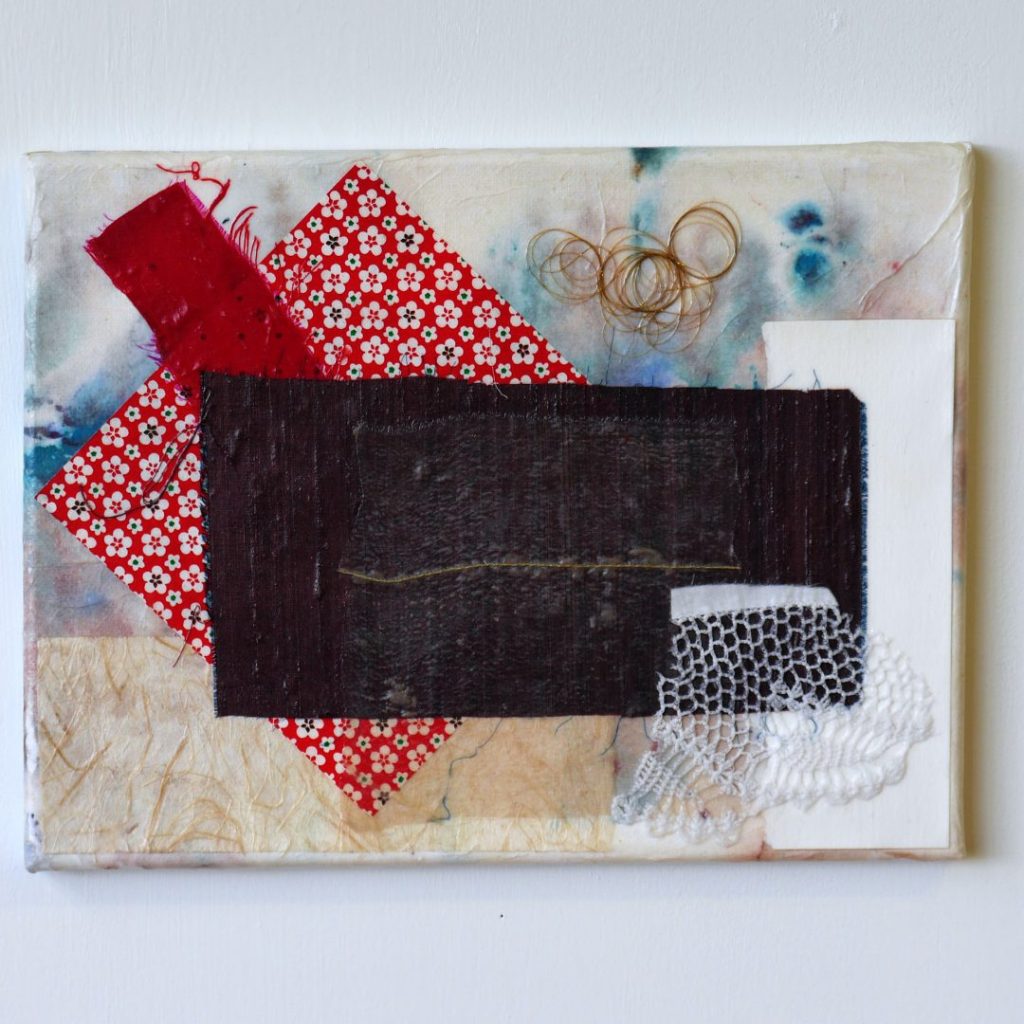
As an artist, I use textiles to explore, reflect and reveal the physical, emotional, and cultural limits of the body and its (dis)connection to place and boundaries –concepts that are being constantly challenged in these times of social and physical distancing. For this project, I wrapped the blue folder in which Kathleen sent me the materials to create my piece with a dark-red pantyhose and placed a pink fabric within its folds. Pantyhose is a recurrent element in my art practice, reflecting the social connotations that gender has today in diverse contexts, along with my own experiences as an immigrant woman. I see this response as a creative strategy of (self)care that also intends to embody and challenge the constraints that women and girls have experienced during the pandemic. As art, it shows the potential that art can have to connect with others while creating awareness about the gendered implications of the “new normal.”
ELSY ZAVARCE // Montréal, Quebec, Canada
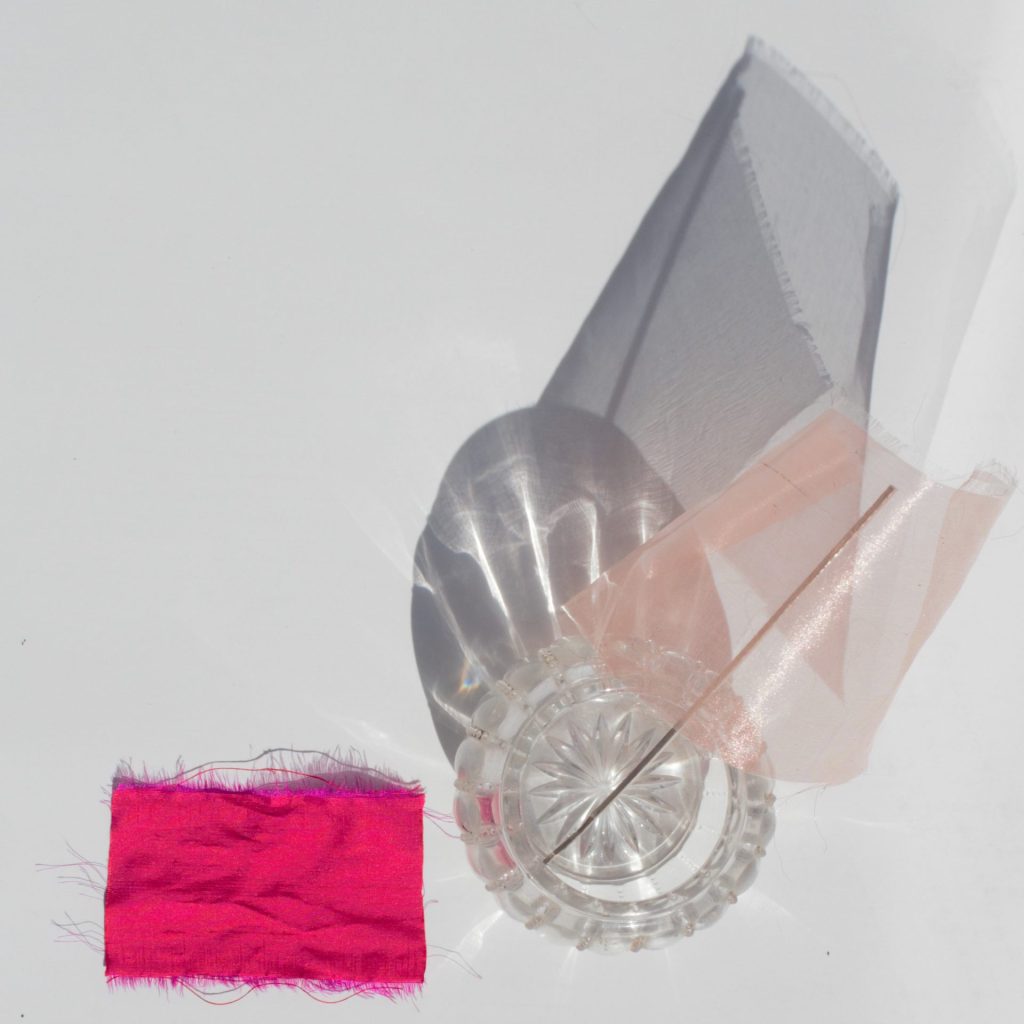
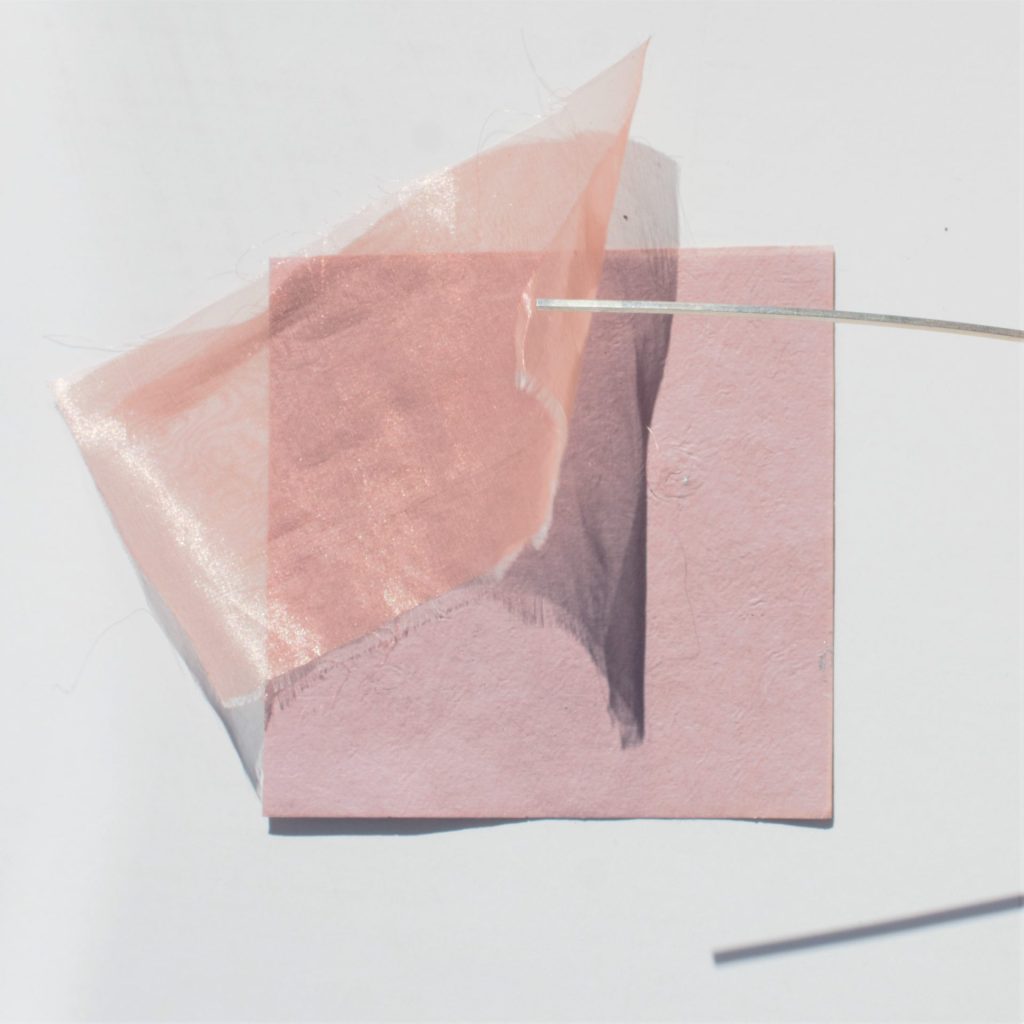
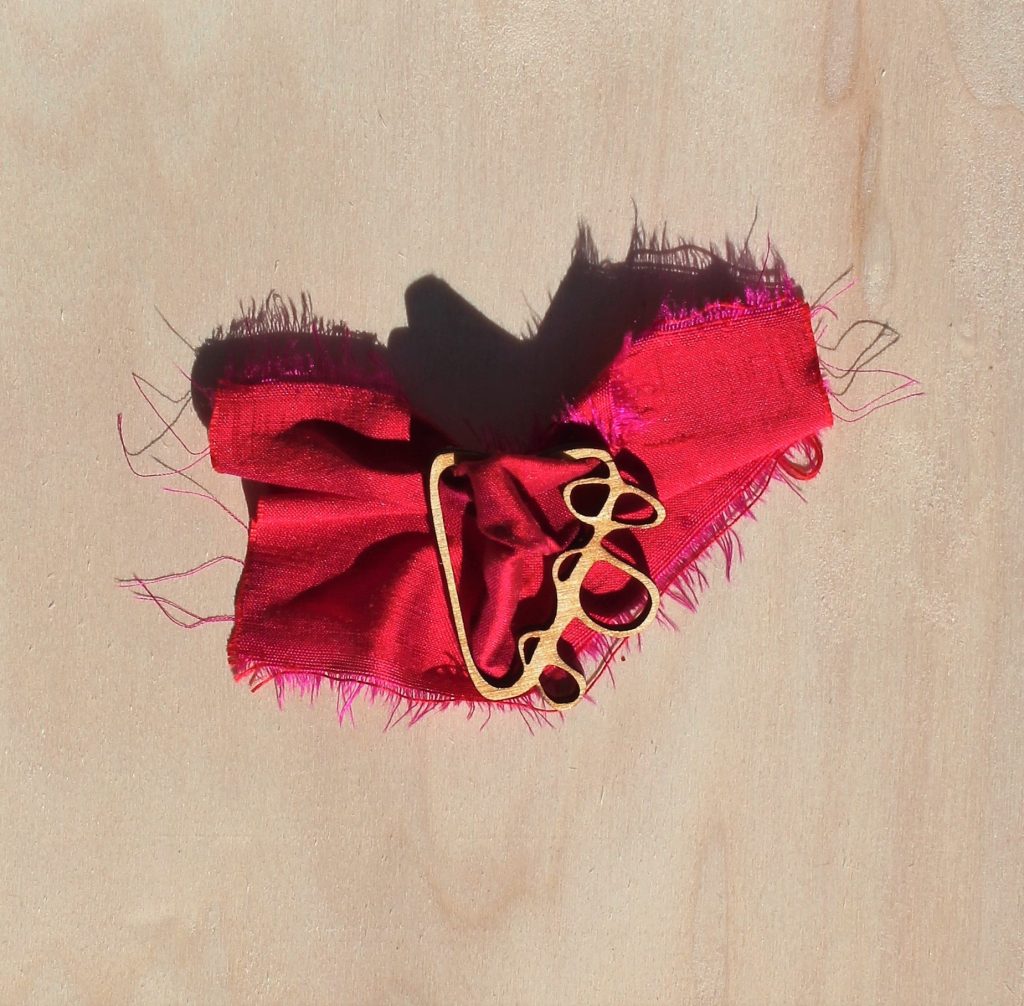
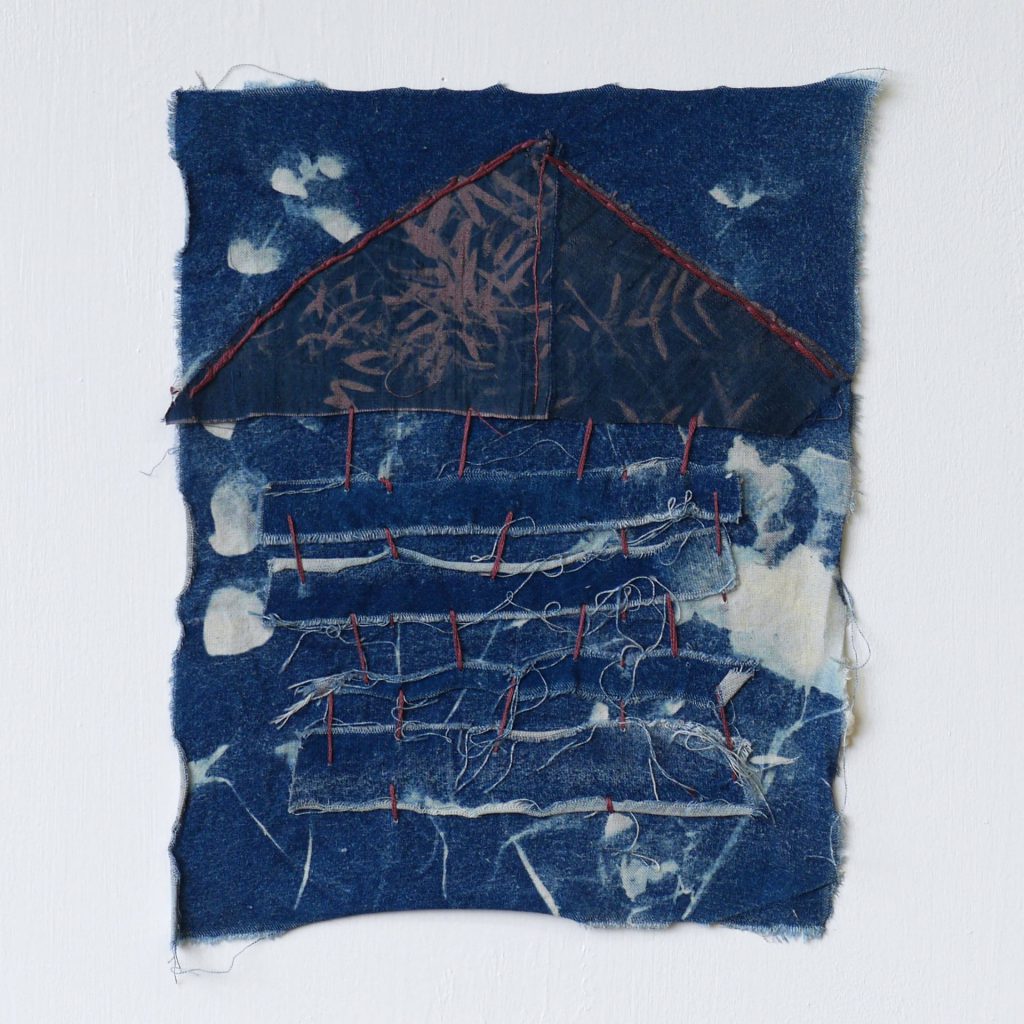
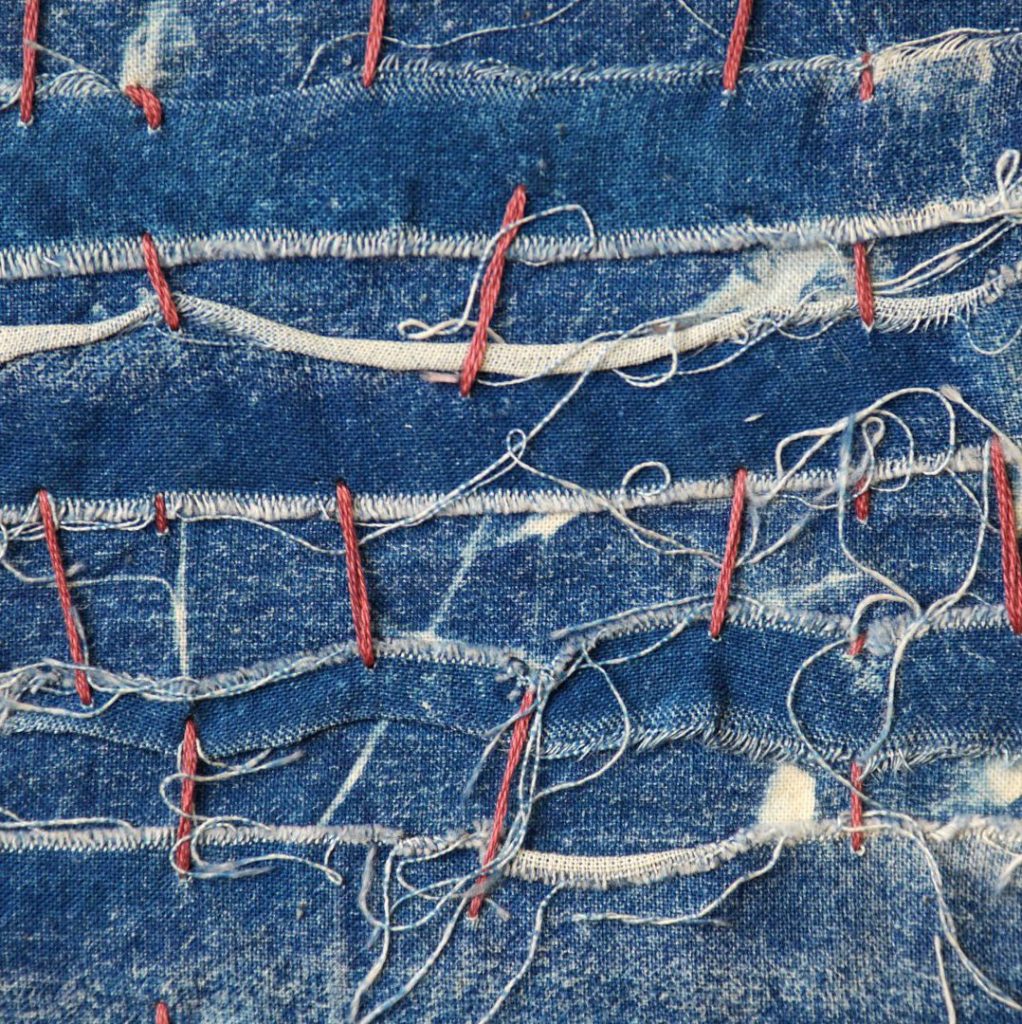
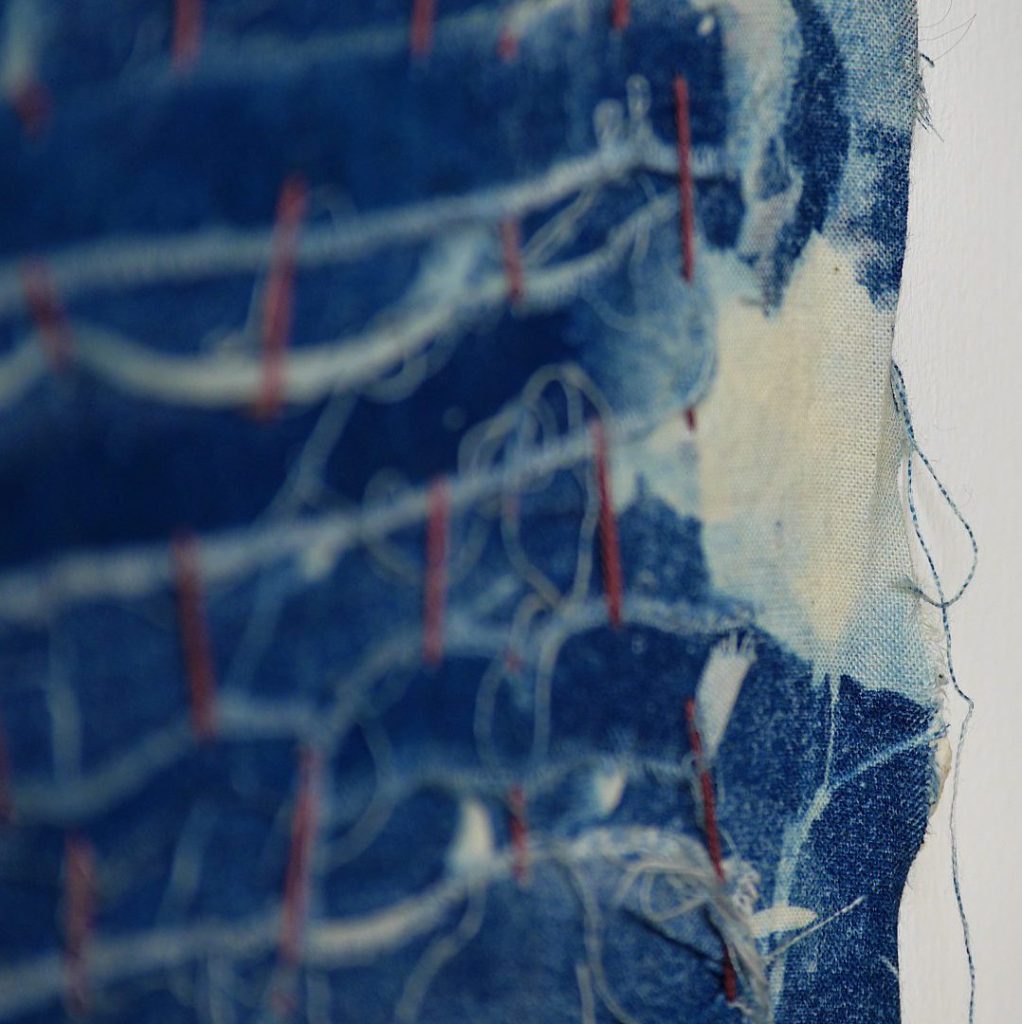
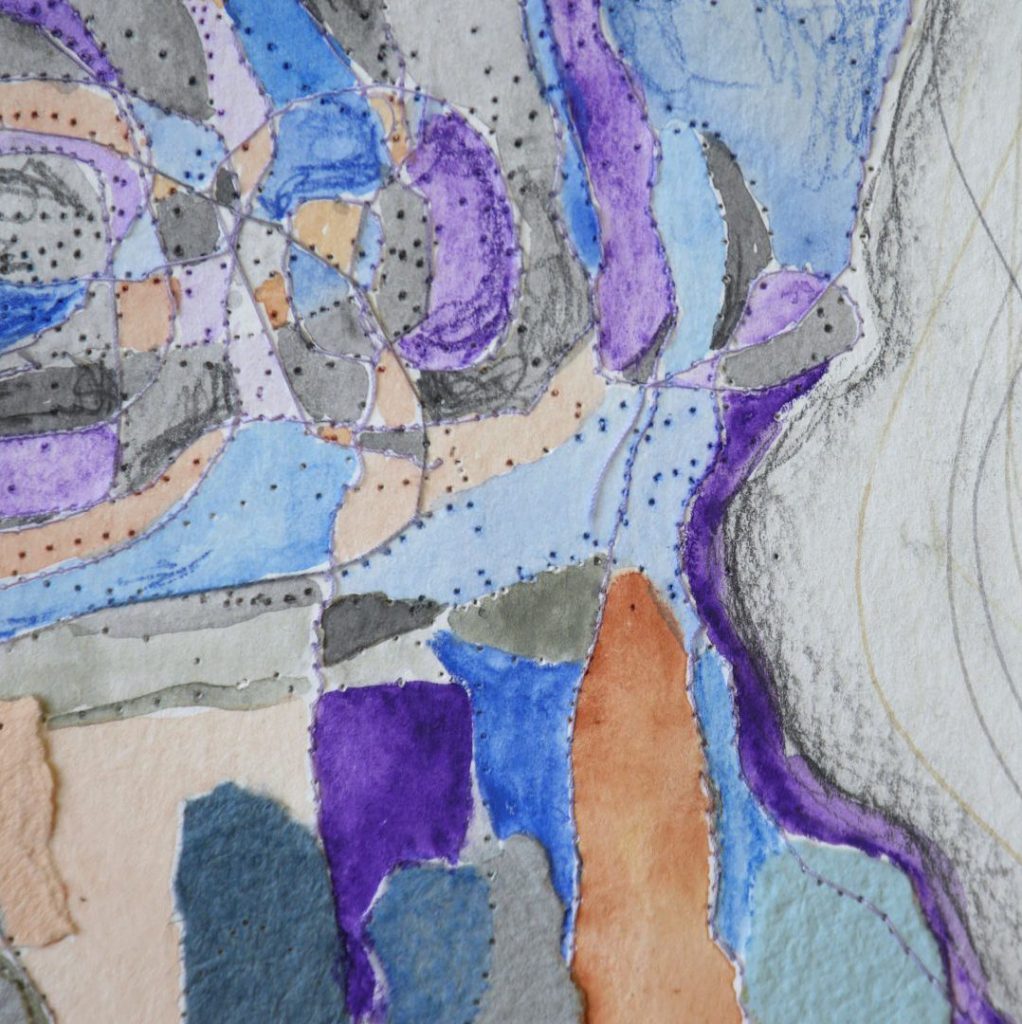
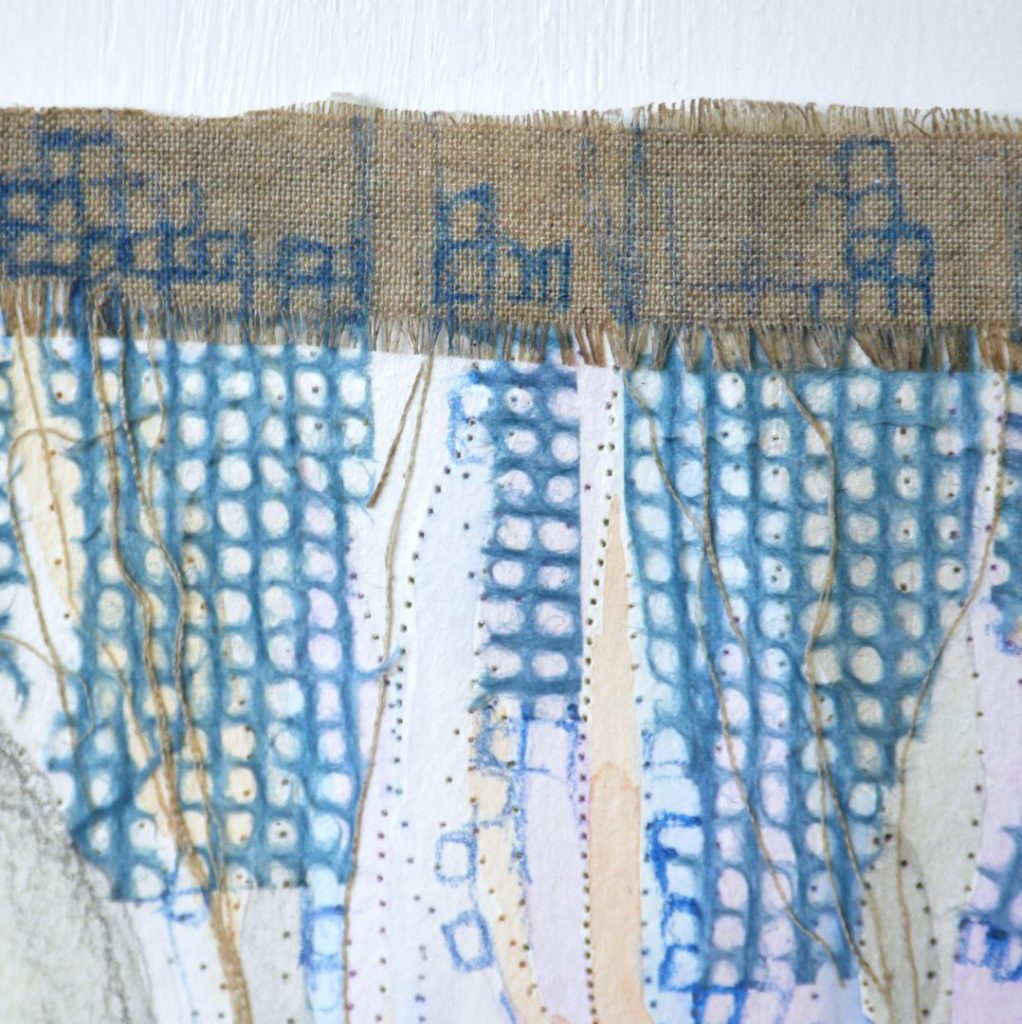
Art for me is a way to learn how to be a better human being. Through its process, you connect with people, like other artists who share the same passion and the way to see the world, as well as other people that have an interest in the arts or not. From my experience, a more compassionate community can be made through the arts, weaving solidarity relationships, and deep understanding of the human being.
For this collaborative project, I began with a series of photography. My question was: Can I build a new landscape of memories?
The beautiful colours and textures of the material that I received spark my mind to try to connect my past with my present. So, I did a series of photos with the few objects I brought from home that are memories of my two grandmothers, and parents. But also with remains of past artworks, as pieces of me of the past.
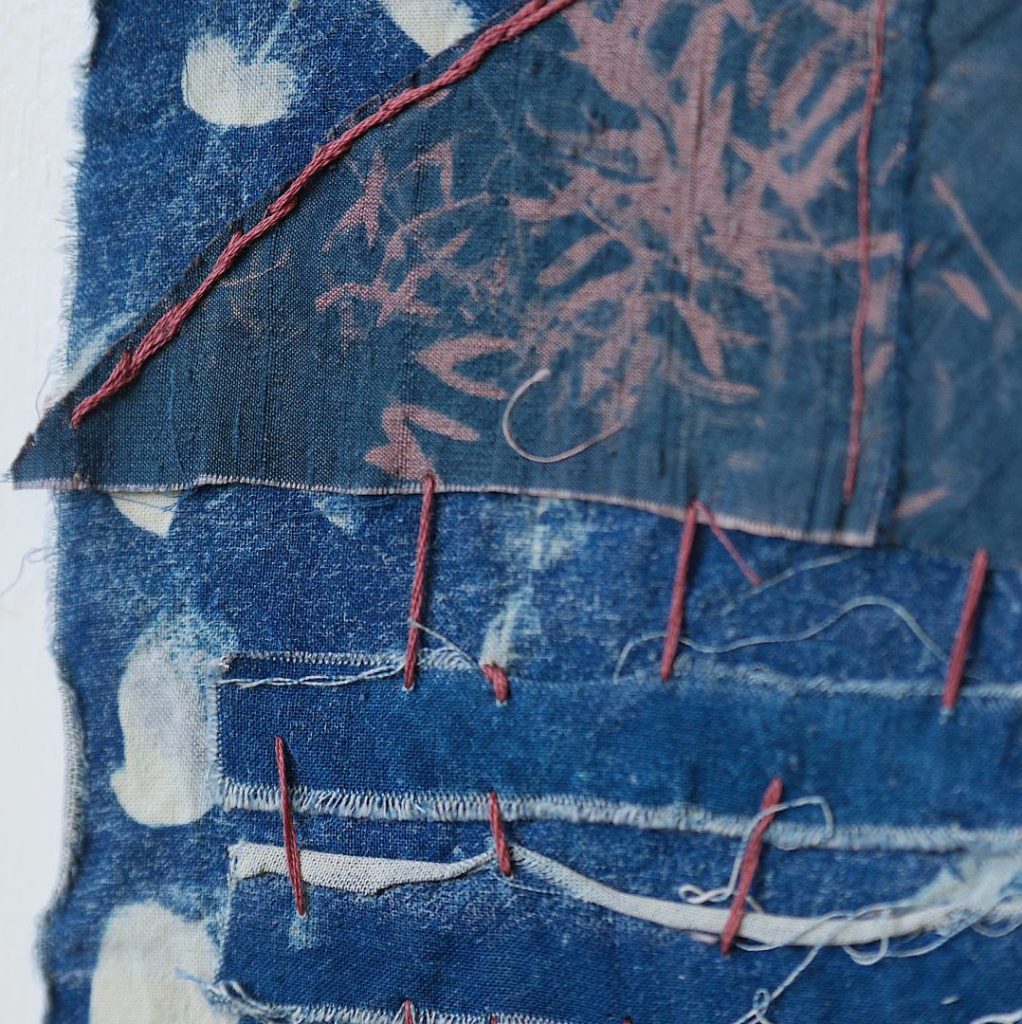
In parallel, with the canvas given, it was so tempting for me to do a monoprint which I later embroidered with pieces of past products.
I discovered at the end a new direction in the work. I began photographing the shadows and my hands.
Which led me into thinking of the potential of material and the contrast of other textures. I began to embroider with these pieces that I have at home, this is something that I am going to continue doing in the future.
I am sending the pictures as part of the results and a process of what I just started. The first series I imagine presenting them as a composition of 9 squared pictures, in lines of 3 X 3.
BARBARA BRYN KLARE // Athens, Ohio, USA
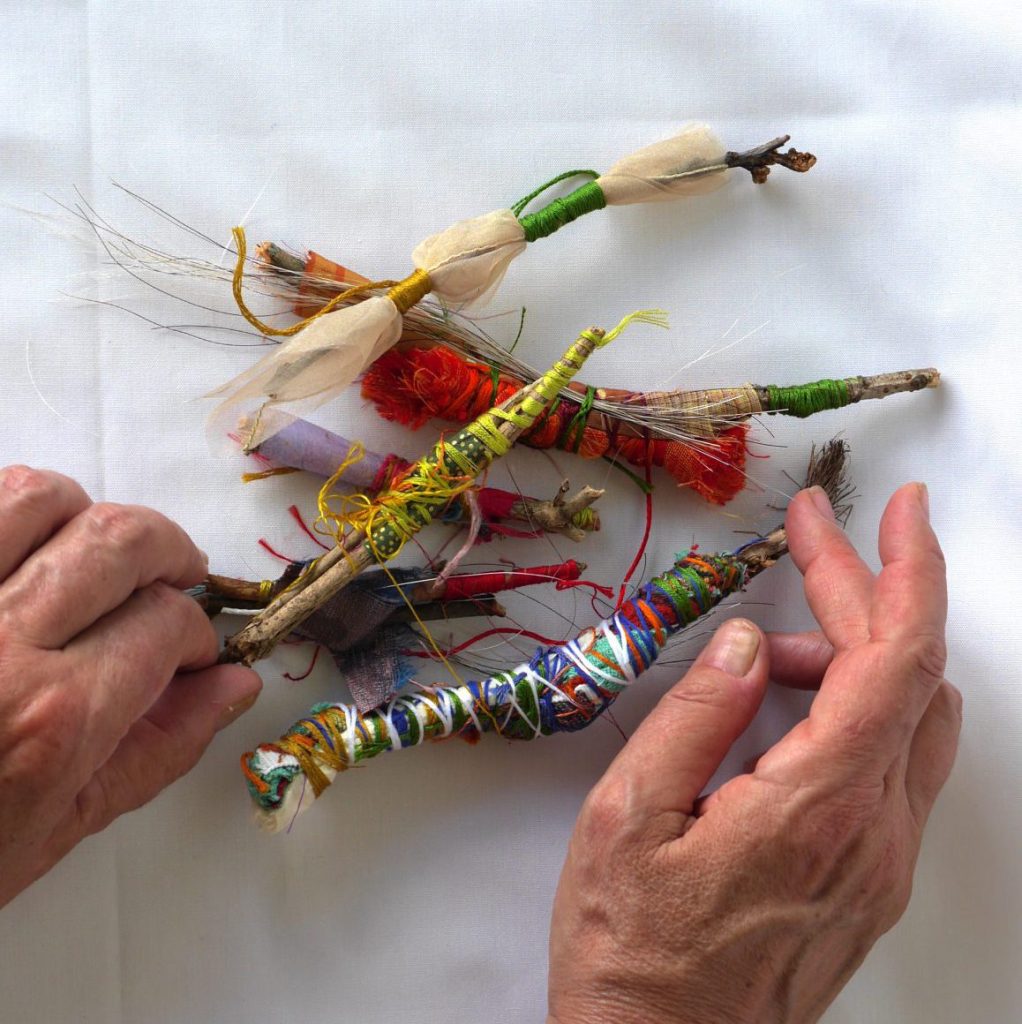
For the first part of the Lockdown, I was in a 590 sq ft condo downtown. I couldn’t create; I couldn’t think. I think I held my breath for a month while we all watched and waited. Sirens, helicopters. Worry. Fear. Empty streets make no sense in a city.
My partner and I made the leap to the small college town where I grew up in the middle of May. The U.S. was tentatively opening up. It was a complete leap (of faith) with all our things. I hadn’t had an art studio for over a year.
So many things were cancelled—a residency, a show, a trip to Europe to see my MA colleagues. But my loved ones were safe and so was I. And one thing wasn’t cancelled: a group show in Linz, Austria, about connection. It became my artistic lifeline. A deadline can rudder you when you are floating in a sea of endless days and nights.
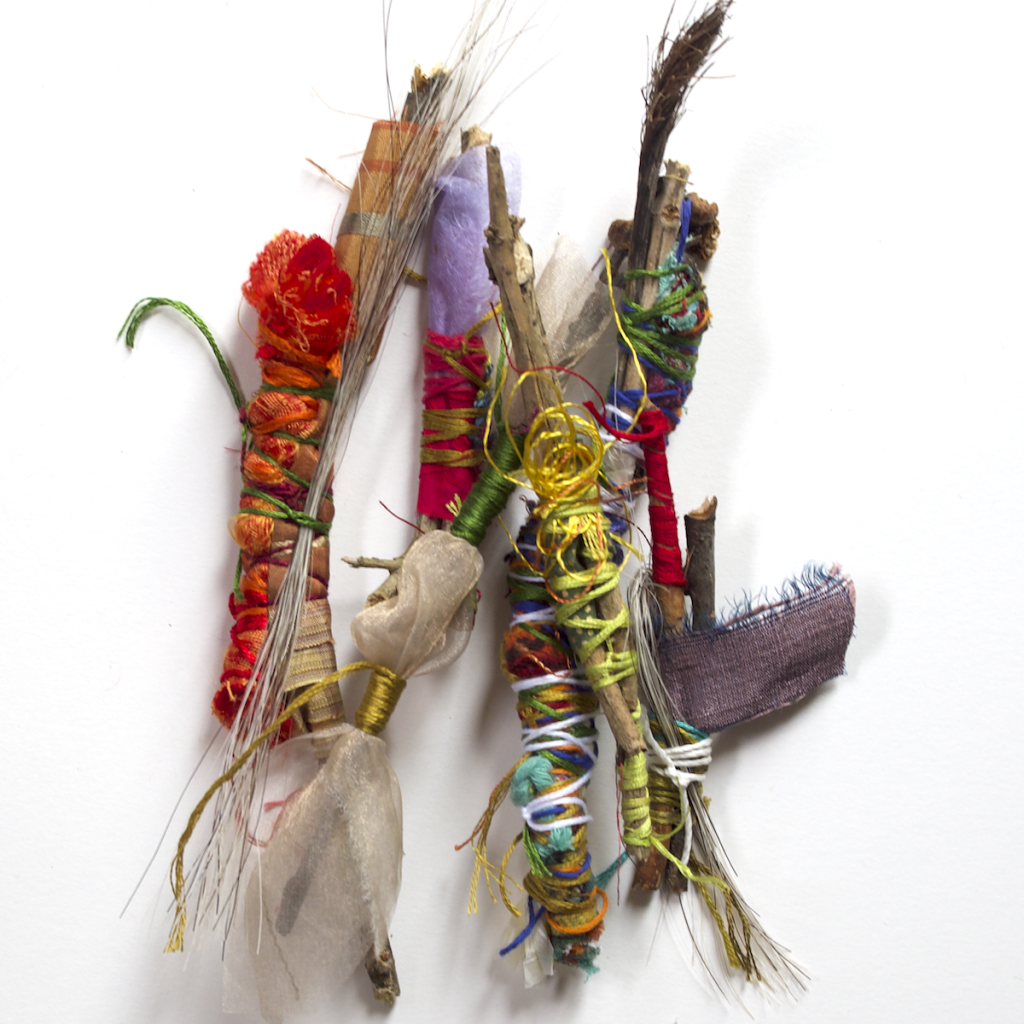
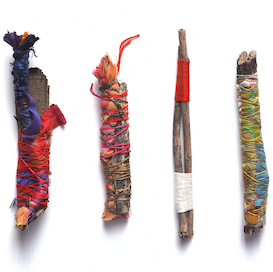
The curator decided my work, NATURE + 1, which couples natural materials with a manmade guest such as a fabric remnant or thread, was all about Hope. She called them my “little sticks.” I was asked to make 300 of them.
Some of them I became very fond of, like numbers 71 and 184, which made me question my mental health. But who is to say what is healthy anymore? A little crazy seems par now.
This work is about small moments in the everyday: “unexpected intrusions of beauty,” to quote author Saul Bellow. It’s about hope and innocence. It’s about conservation and treading lightly, about being a guest with nature, not a tenant or host. During this time especially, it speaks to safety and security. Wrapping connotes warmth, protection. Binding, a form of tight wrapping, restricts but also quiets motion. Bandages restrict and also heal. For San Francisco Gun Buyback Art for Peace, I wrapped used gun parts to heal and silence hate and violence.
I look forward to a time when we can move freely in our world without fear or worry. All of us.
Stay well, everyone. Please.
JODI SIMMS // Stockholm, Sweden
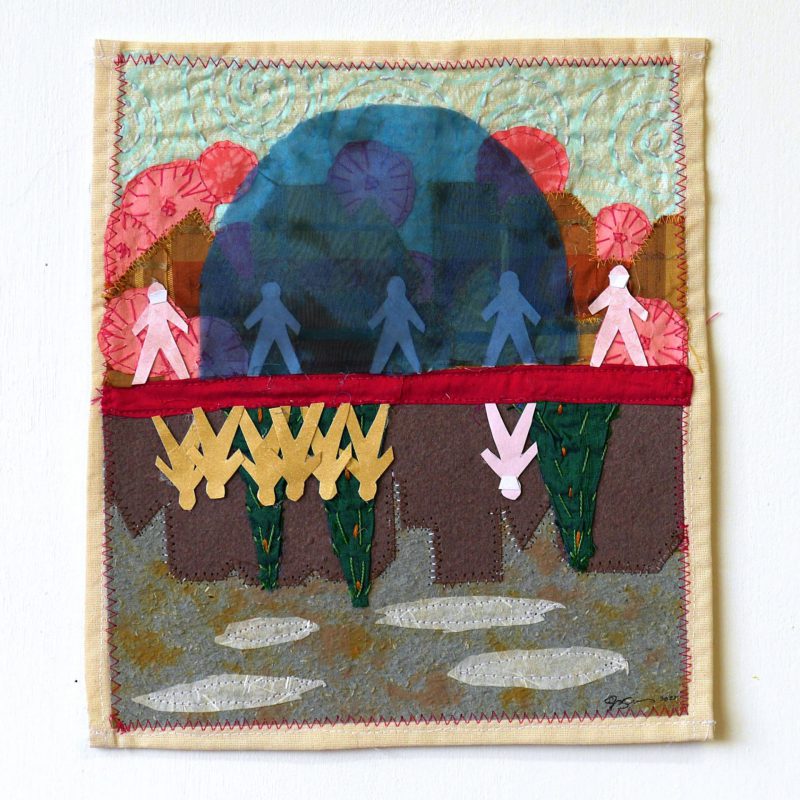
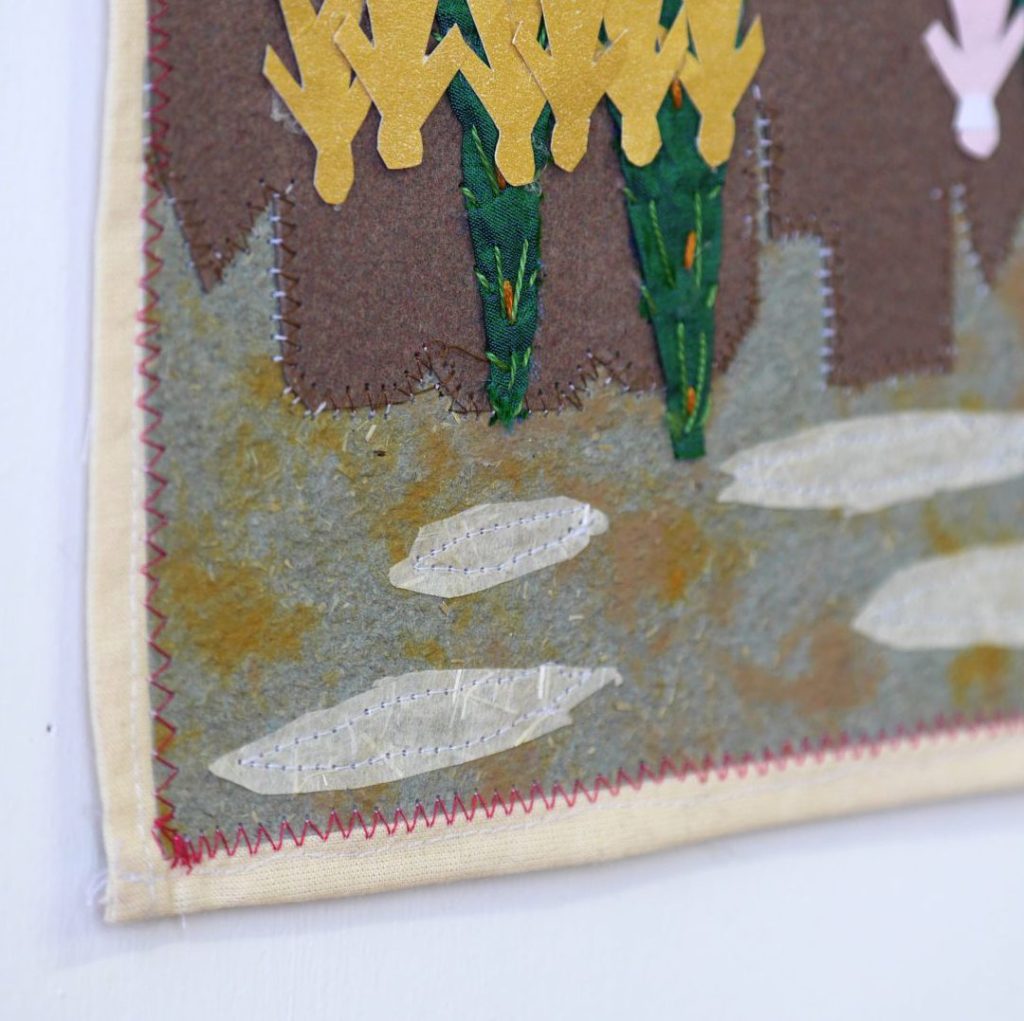
Art is to express a feeling or create a feeling that can connect people (both artist and viewer). This can create awareness of sympathy. Art is also used for telling stories, such as current events. History can be recorded through Art, which is very apparent.
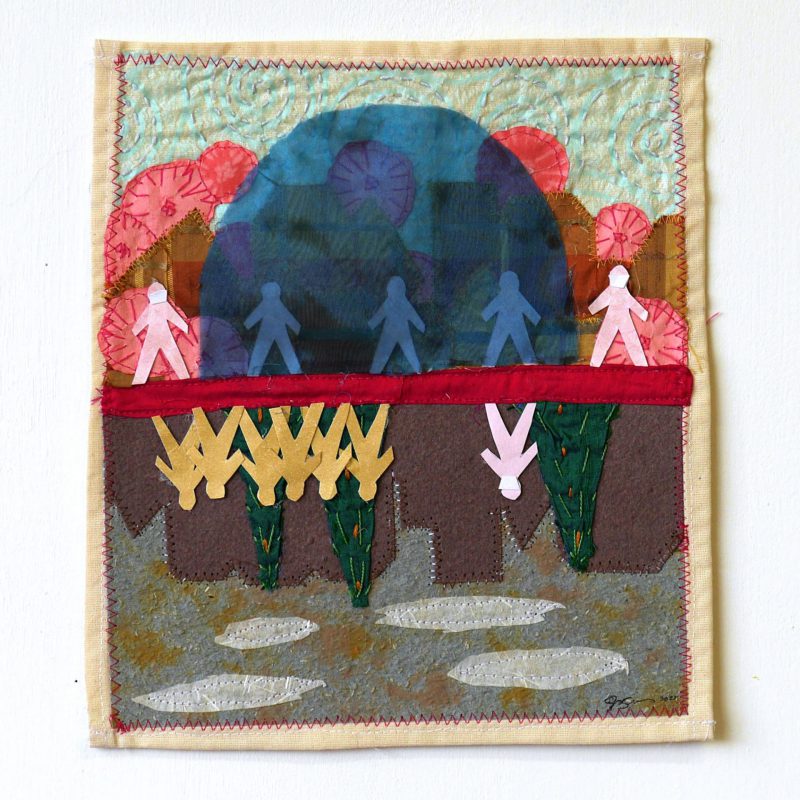
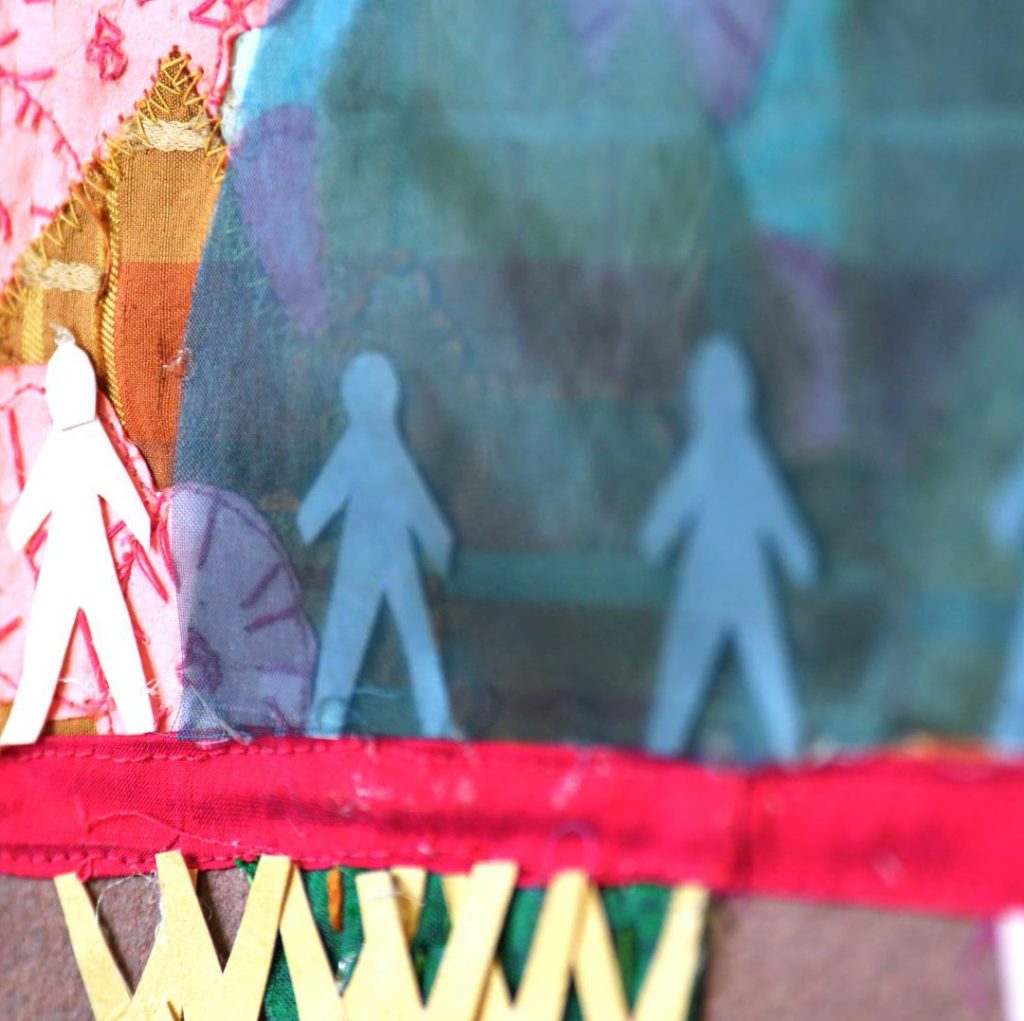
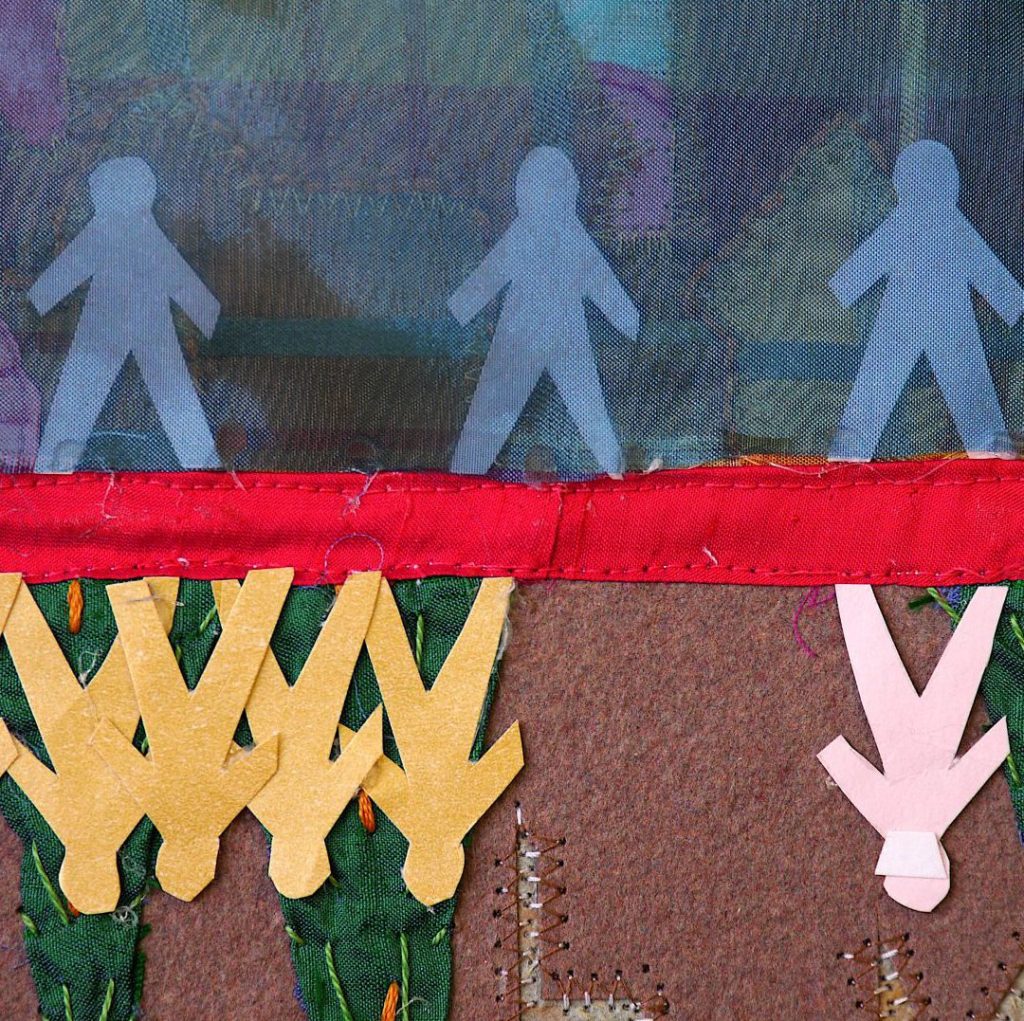
My piece represents my current feelings with being a Canadian in Sweden, and COVID-19. The top represents Canada, and lockdown (the dome shape), the figures keeping their distance, and the ones outside the dome are wearing a mask. The bottom represents Sweden. It’s open, with a crowd of people together, and a figure off to the side alone, wearing a mask. I feel very lonely, and treated as an outcast for following the recommendations of my country. It’s like I’m in a different world; ‘the upside down.’
AVY LOFTUS // Montréal, Quebec, Canada
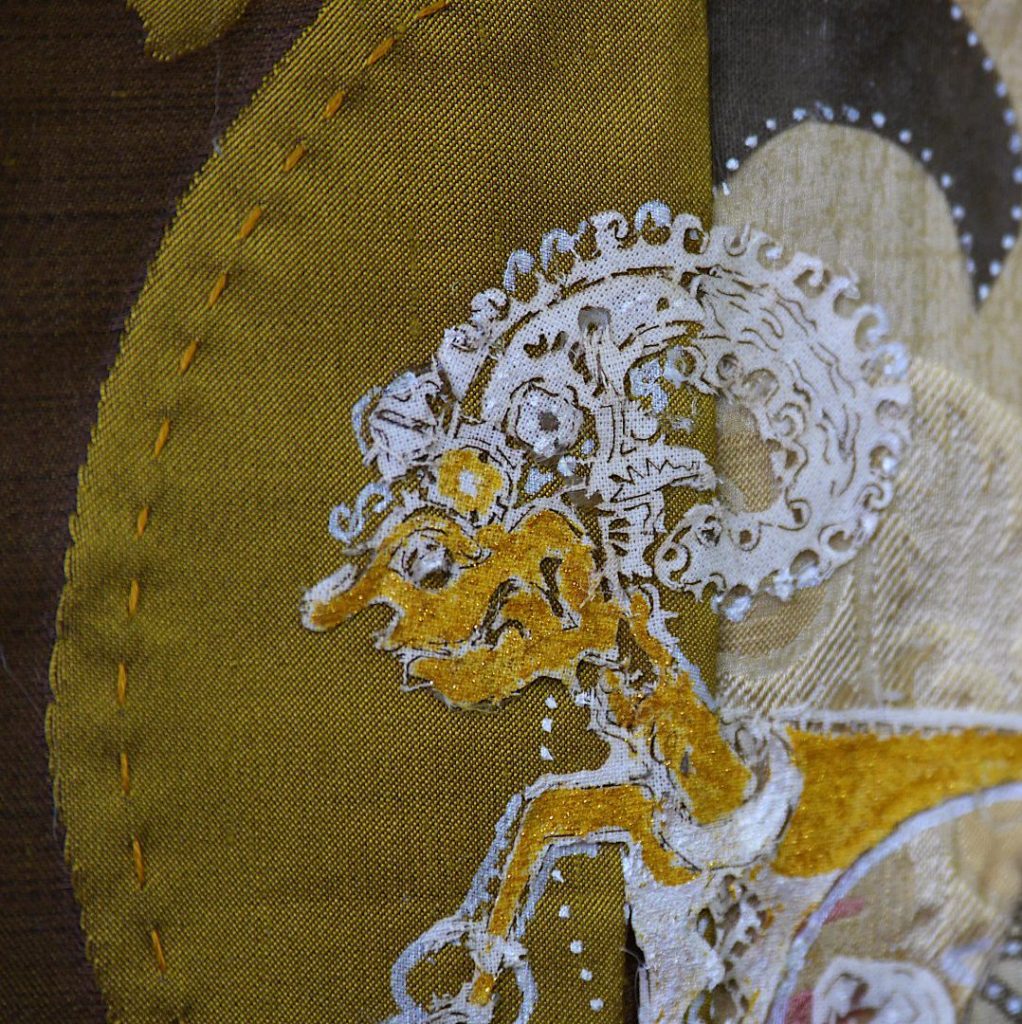
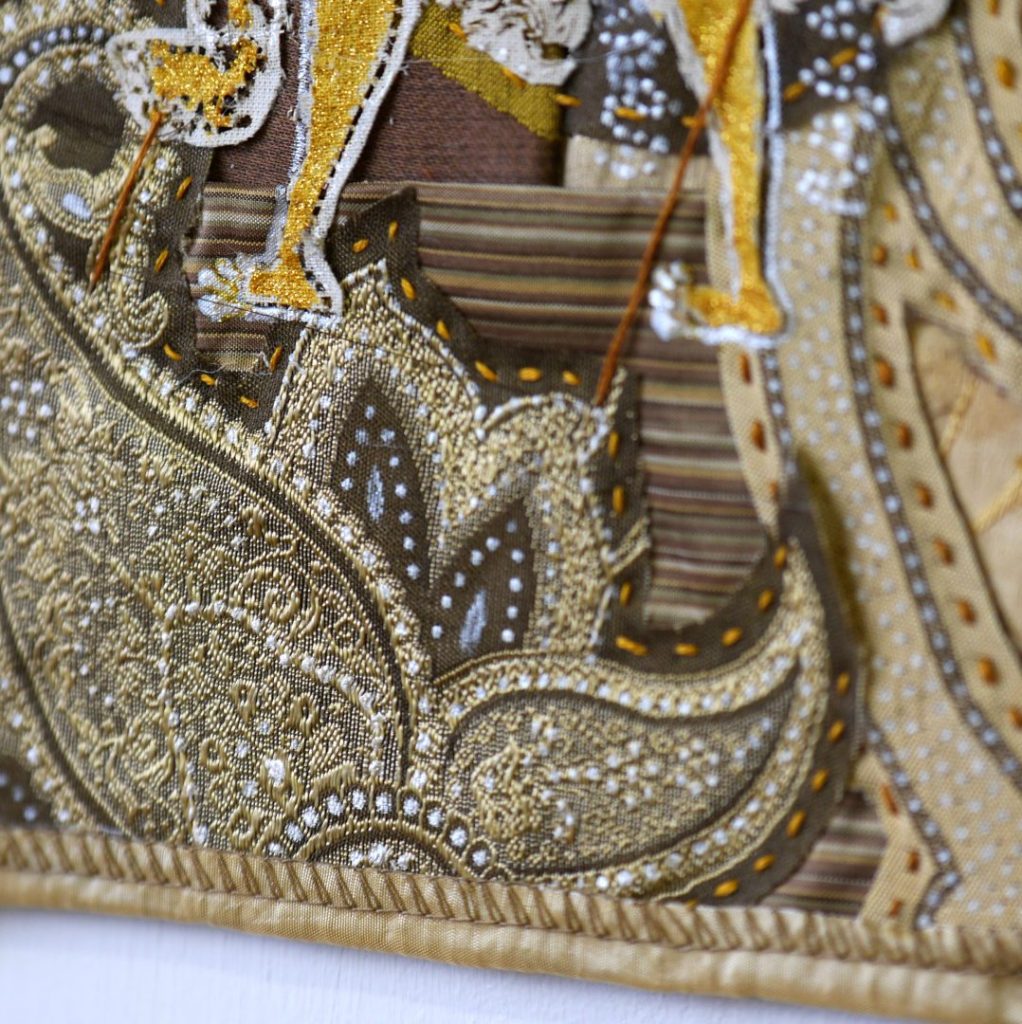
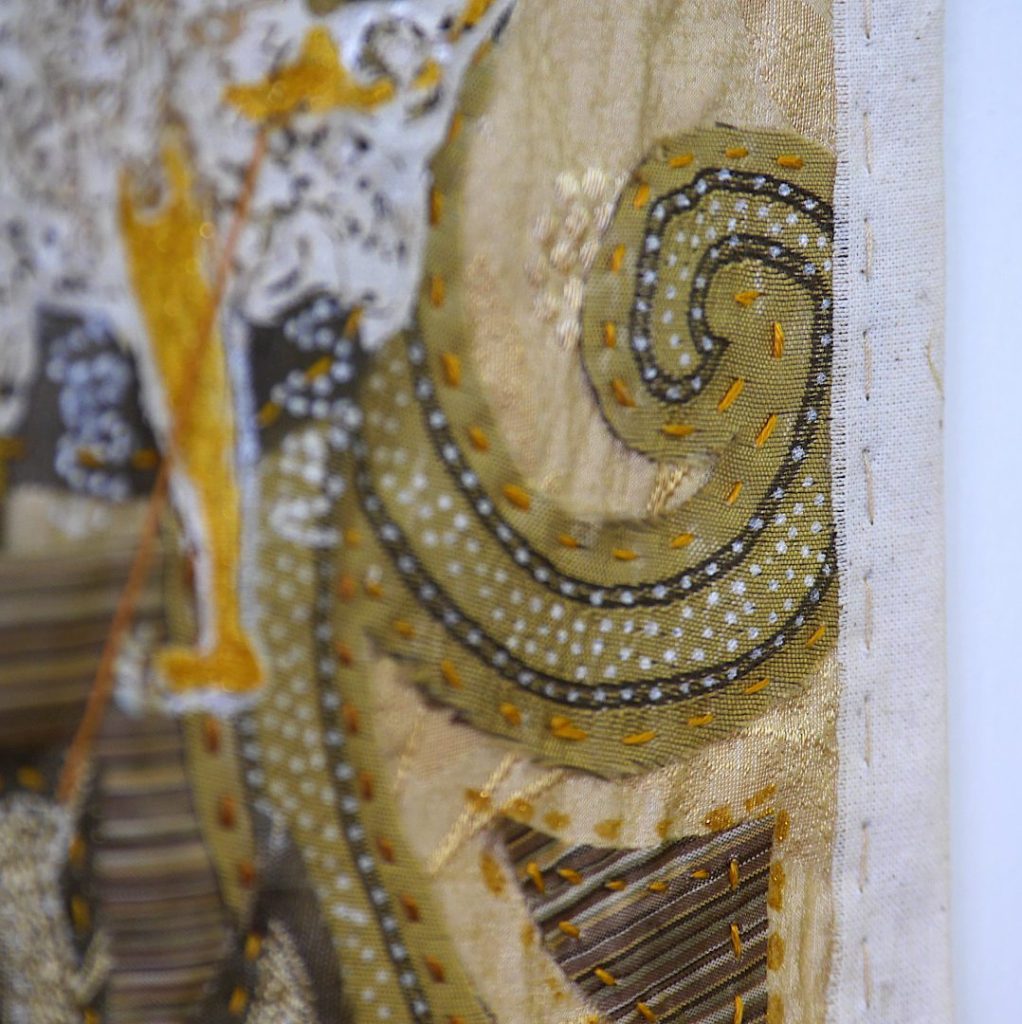
“Art has something to do with the achievement of stillness in the midst of chaos.”
Saul Bellow (1915-2005)
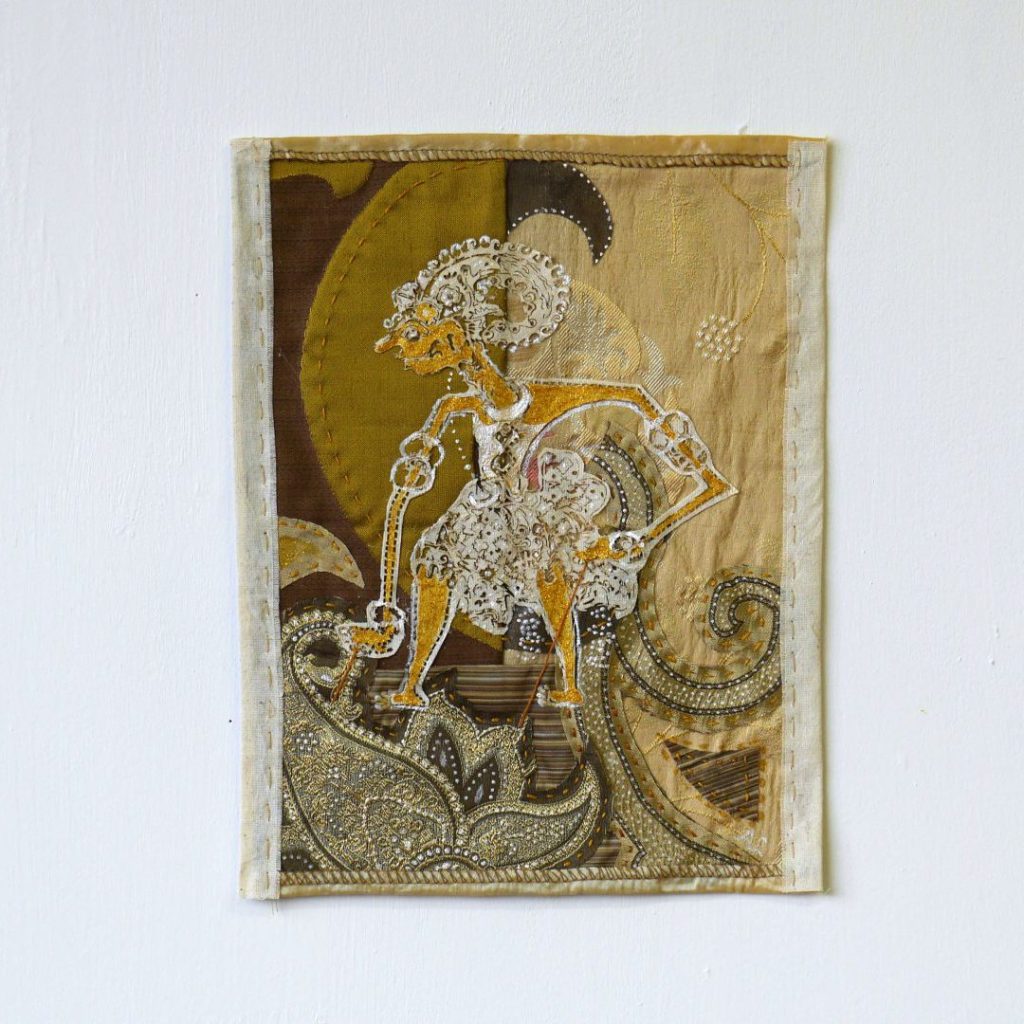
When I received an open invitation from Kathleen to participate in this project, I was in the middle of a chaotic time. Not only was I finalizing my master’s studies and taking care of my sick spouse, I was also coping, as we all are, with being in a global pandemic. At that moment, I needed a channel that would bring me stillness, and art has always been my positive outlet.
I created a piece of artwork which represents the things I do during the pandemic – Creation, Clarification, Collaboration, and Connection. The shadow puppet represents how I felt in the beginning of the pandemic, swayed by the sudden changes around me. In the end, I am gaining a clearer perspective on what I can control and how to let it go of what I cannot. This artwork is also inspired by Kathleen O’Meara’s poem “And People Stayed Home”:
And people stayed home
and read books and listened
and rested and exercised
and made art and played
and learned new ways of being
and stopped
and listened deeper
someone meditated
someone prayed
someone danced
someone met their shadow
and people began to think differently
and people healed
and in the absence of people who lived in ignorant ways,
dangerous, meaningless and heartless,
even the earth began to heal
and when the danger ended
and people found each other
grieved for the dead people
and they made new choices
and dreamed of new visions
and created new ways of life
and healed the earth completely
just as they were healed themselves.
KARINA MARIANO // Montréal, Quebec, Canada
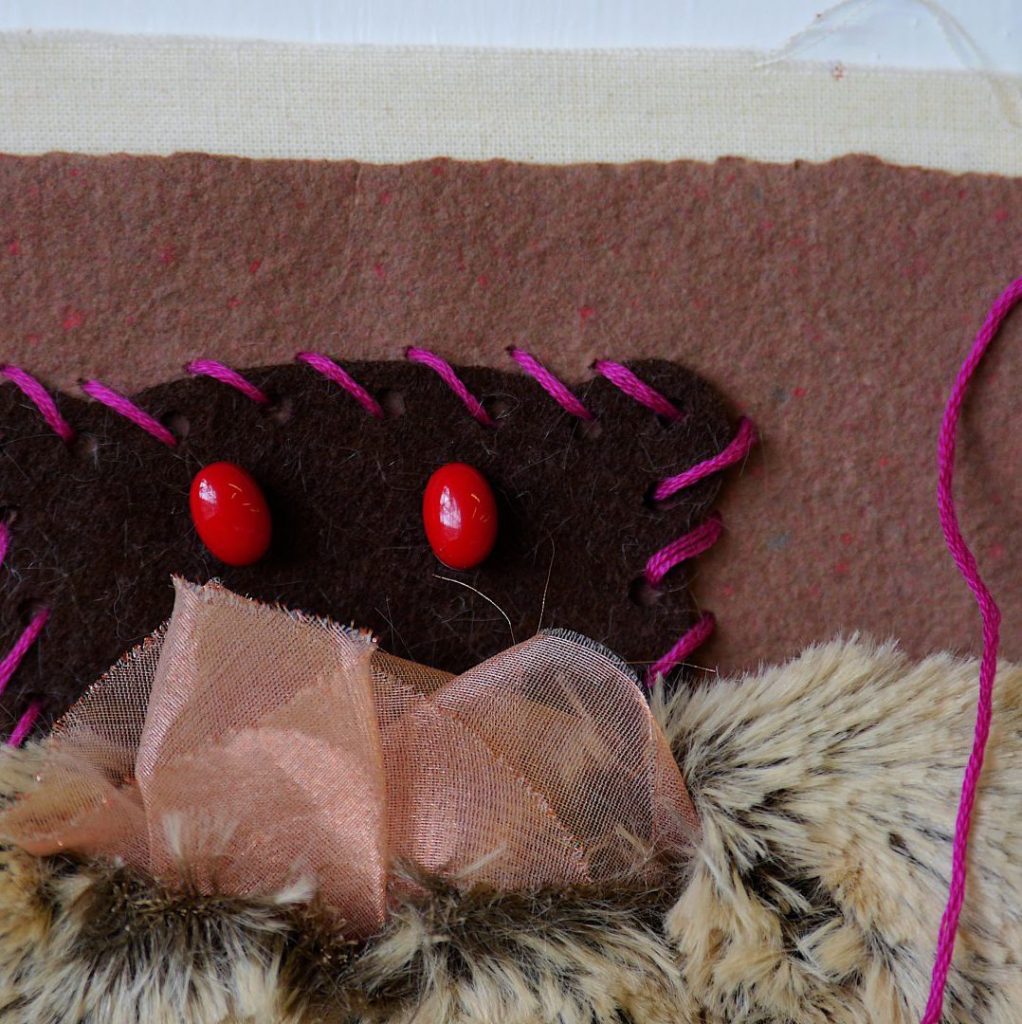
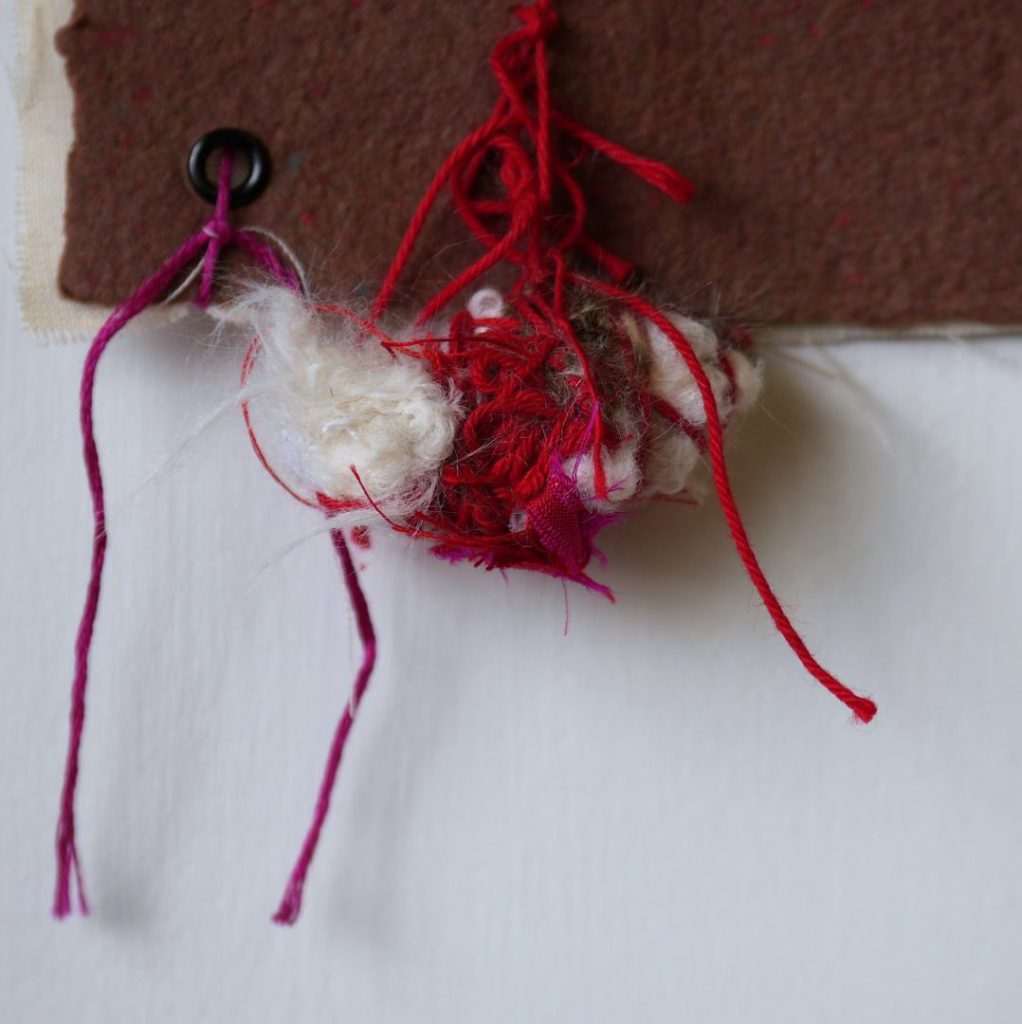
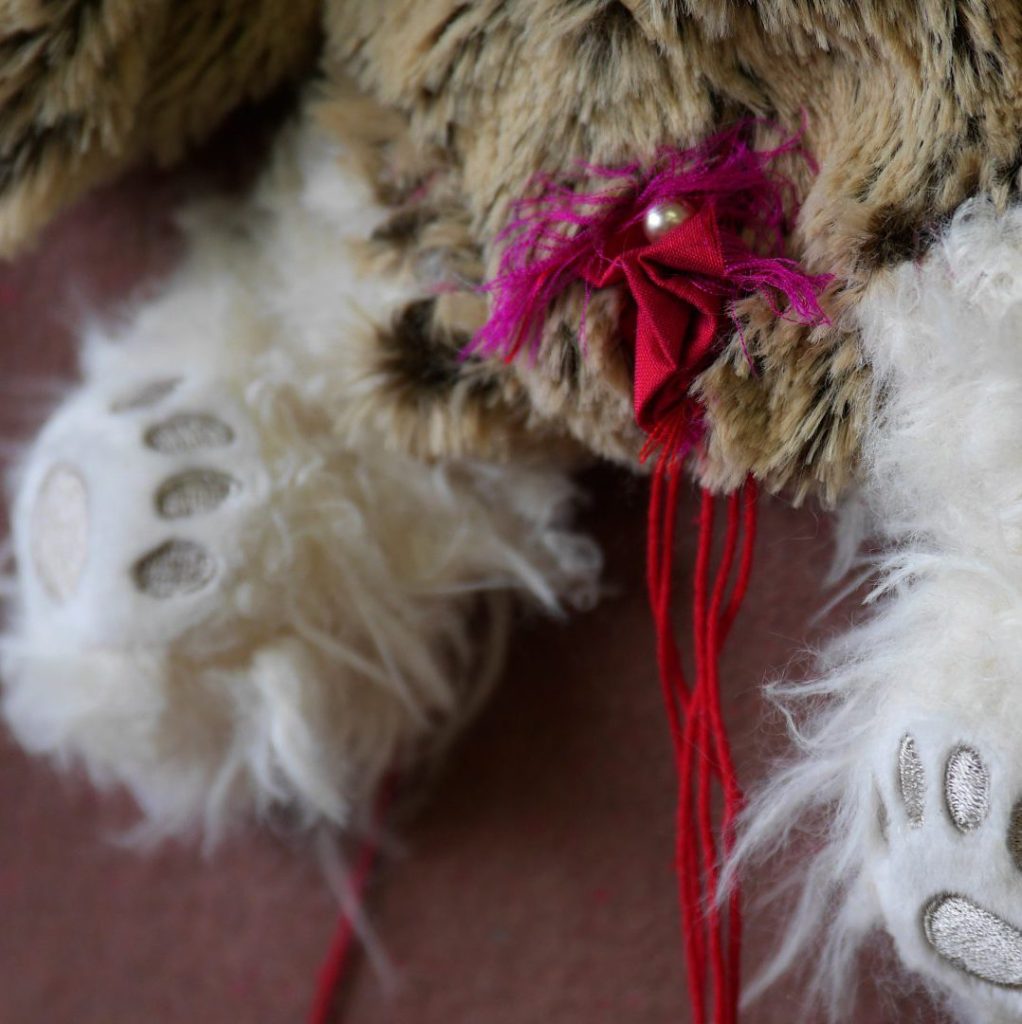
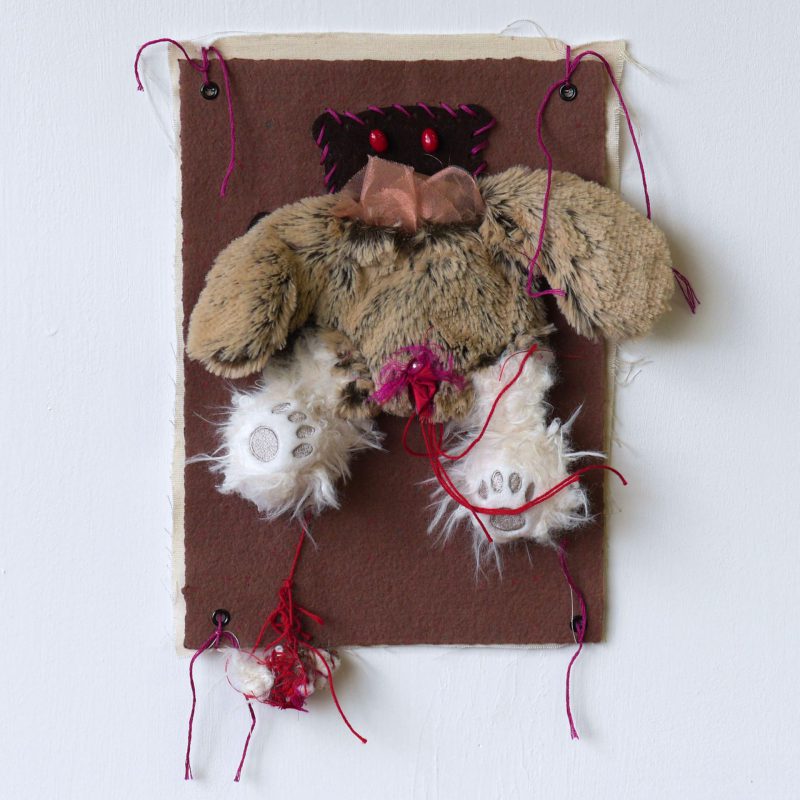
Mama Bear – Art is Where My Heart is
Art is where my heart is. Art gives me access to my soul. Art is life.
I have been tormented in so many ways over the past ten years that I lost my ability to create. I was shot up full of hormones, hope and fear. Then I got pregnant. A heartbeat one week and none the next. Then blood and fear. Then pain, more blood, shame and despair. Love and rage.
My heart broke in so many pieces. My soul was crushed. I wasn’t able to look at it and make art with it, there was too much pain. I wanted to connect and share my love and insight, but in my search, I went off track and lost myself completely.
The pandemic has forced me to slow down and reconnect with myself, and art is slowly trickling its way back.
I can feel it now. The cry in my throat and the pain in my stomach. It’s both real and unreal. I’m here, I’m alive, I can breathe and I can write.
Mama bear comes to me in my dreams at night. The first time, she was stuck in a dark hole in the ground. On the edge of that hole was her dead baby, tied to a rope. The hole was so small, she could barely move. Fear and distress overwhelmed her. She couldn’t look up or climb out.
Art is where my heart is. Art gives me access to my soul. Art is my lifeline and there is always a way back home.
DENISE A. OLIVARES // Montréal, Quebec, Canada
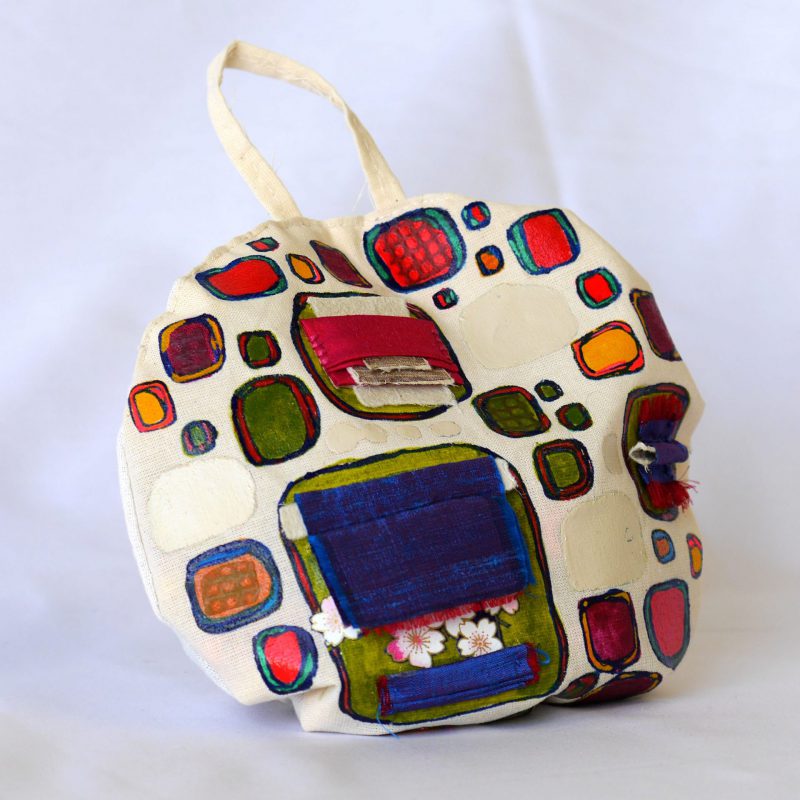
What do images of honeybees, hidden song lyrics, colourful square-like shapes, two-hundred wooden beads and a hand stitched pillow all have in common? Together they respond to the fundamental question: What is art for?
Art is for communicating.
With symbolism playing an important role, there are various hidden clues to be discovered. In making this pillow, I wanted others to activate specific elements; folding open, folding closed, sliding out, sliding back in place, reading, touching, holding, and shaking. The honeybee is meant to signal the intricate nature of communication and connection, while the square-like shapes reveal my recent obsession of spaces within spaces. Inside the pillow, wooden beads move together and knock against one another making sound. The concealed lyrics to the song “Thank you”, by Robert Plant allude to notions of love lasting even through the darkest of times. You may consider this a relief pillow for pandemic times.
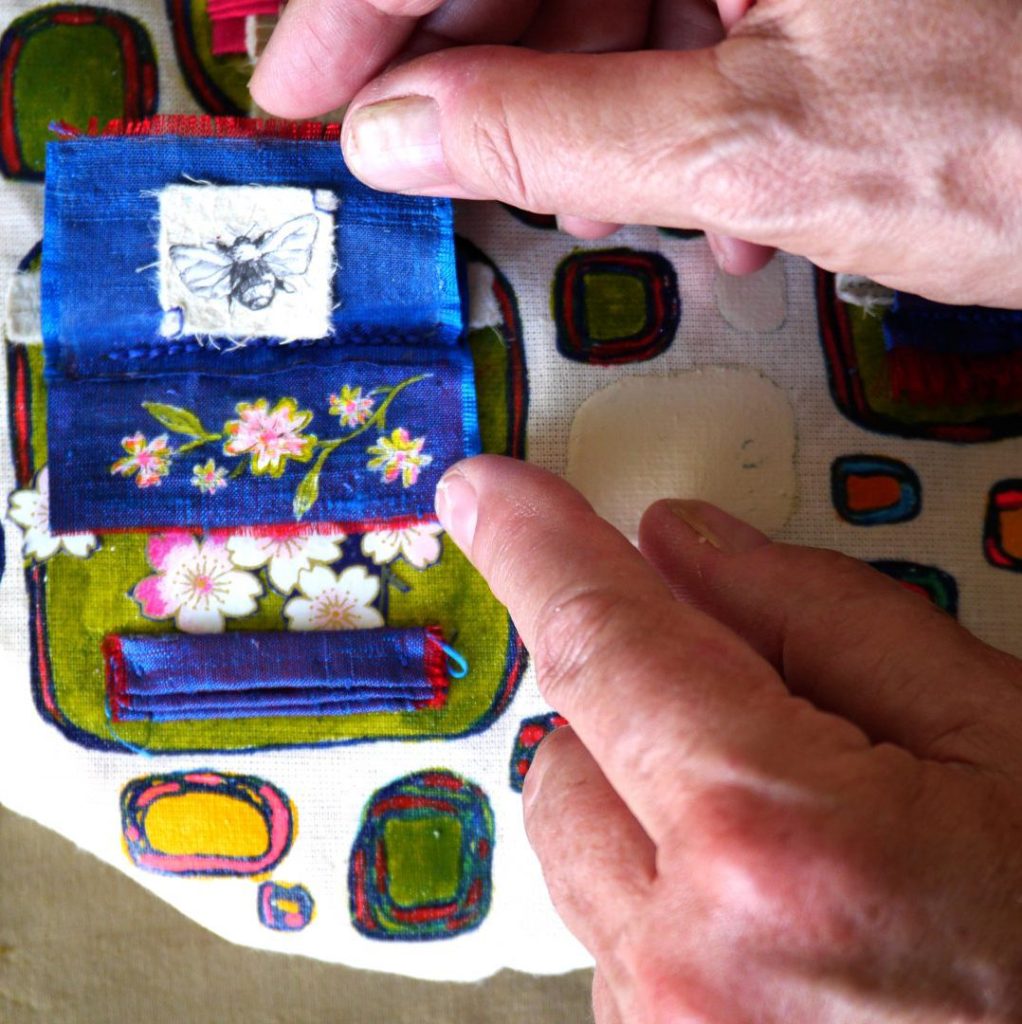
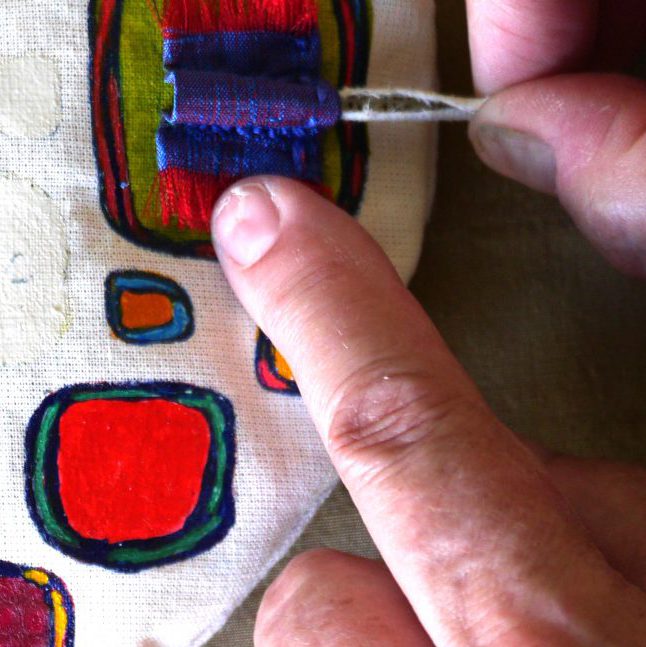
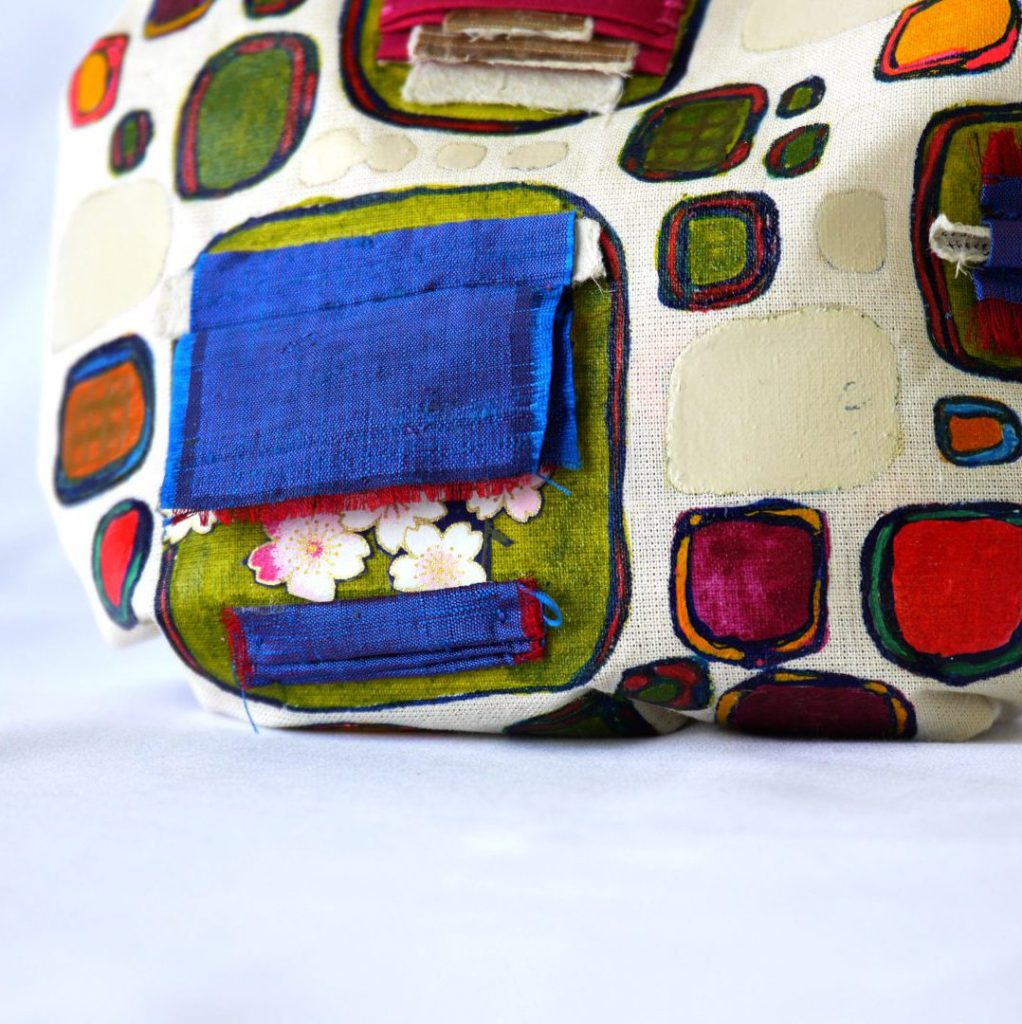
Inside the pouch/pillow, there are 200 wooden beads, filling it only half way. It has been nearly 200 days since the pandemic entered our space, our city. When you lay the pillow across the palms of your hands or on your lap, you can feel the beads move with the movement of your hands. The beads also make sound when you shake the pillow a bit. It’s a rather soothing sound of wooden objects moving together and knocking against one another.
ROSI MARIA DI MEGLIO // Senneville, Quebec, Canada
What is art for?
Creating
Making
Expressions
Forgiveness is given to myself
Permission is given to myself
A freedom to express my deepest fears
A freedom to let the demons out
A freedom to allow myself to feel beautiful even in the ugliest of times
Knowing that I am not perfect and my work doesn’t need to be perfect
I create art because I need to!
JEANNIE K. KIM // Dundas, Ontario, Canada
Since March 2020, I developed a deep appreciation for nature by taking care of scallions indoors: a representational reminder of resilience, and in turn, my mother. Scallions thrive with only water and sunlight, which gently reminded me to take care of myself during the first lockdown when I was living alone. As I refilled their water and washed their roots every morning, I had inevitably developed a motherly routine for the scallions. This led me to reflect on my own mother who performs countless acts of care for my family, one of them being cooking using scallions as garnish.
For this piece, I merged a pen drawing of my mother and an Asian watercolour painting of my scallions using Photoshop. I chose the blind contour method for both parts to convey the idea of taking the time to observe what is in front of us, simply as they are.
ANIE TOOLE // Quebec City, Quebec, Canada
Weaving and printmaking I achieve with equipment in shared facilities in artist-run centers, places that have been inaccessible since March 2020. It is not only the tools and the machines that have been lost, but the interaction with other artists that these spaces cultivate.
The afternoon they announced my children’s school closures, I went straight to the art store. I bought rolls of paper, paintbrushes, markers, clay. What else would we need to get through this?
Restricted in activities and with more time on our hands, our family of five has explored many activities. We have done figure drawing, with everyone taking a turn to be the model, we painted nature mortes, discovered baked clay, altered books for book art, painted with our feet, tattooed ourselves with watercolor pochoir and with henna, braided bracelets, created sculptures in paper mâché, drew mangas and comics, participated in mail art, papermaking, ink making from foraged materials, … and there is more to come. Collective artmaking draws us in, we do it in subgroups or all together, it’s quieting and introspective, messy and exploratory. Our teenager is always reluctant to participate, but once he gets started, he enters an irresistible creative place, and he is the last to leave the table.
I do meditative, gestural painting once the children are in bed, as a way to relax and decompress the intense day. Sometimes I quilt. The sewing machine has been mainly reassigned as a tool for mask sewing.
On the mothering front, art has brought us together, has kept me sane.
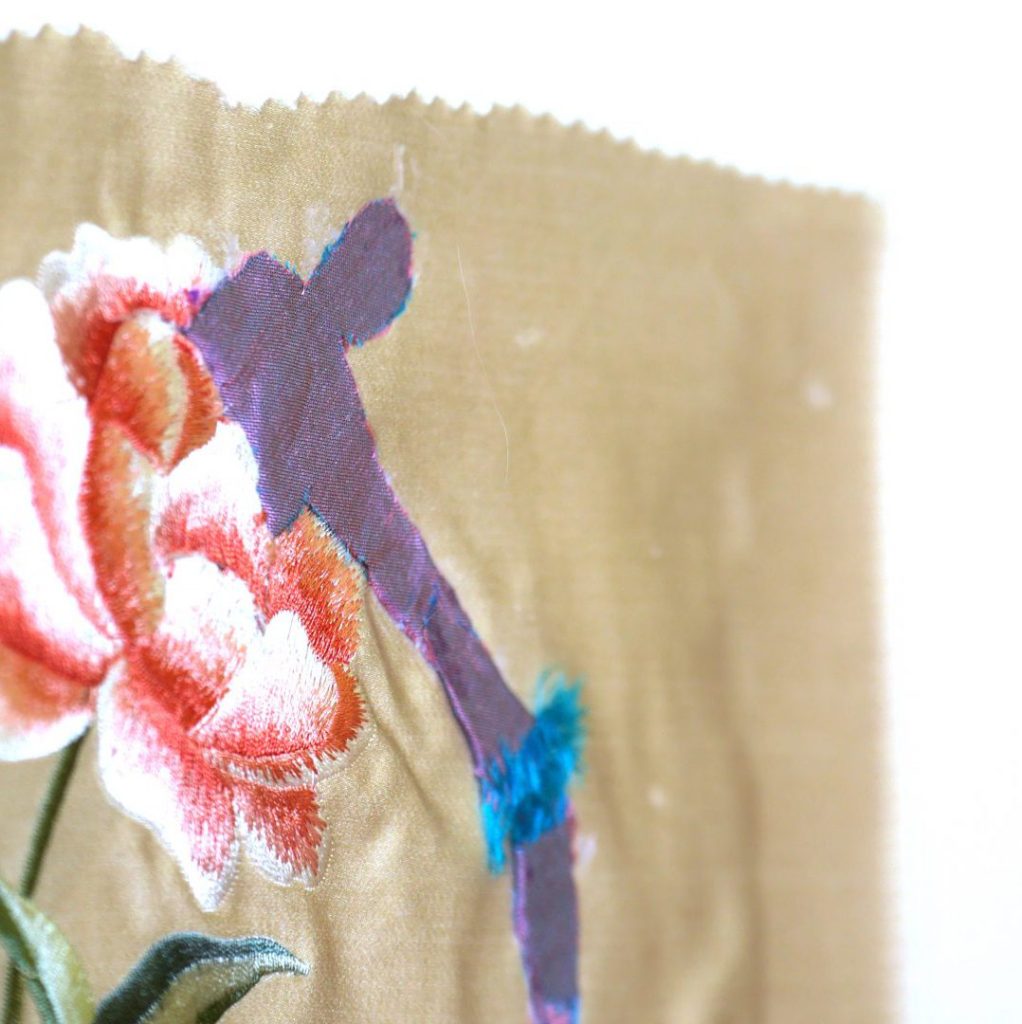
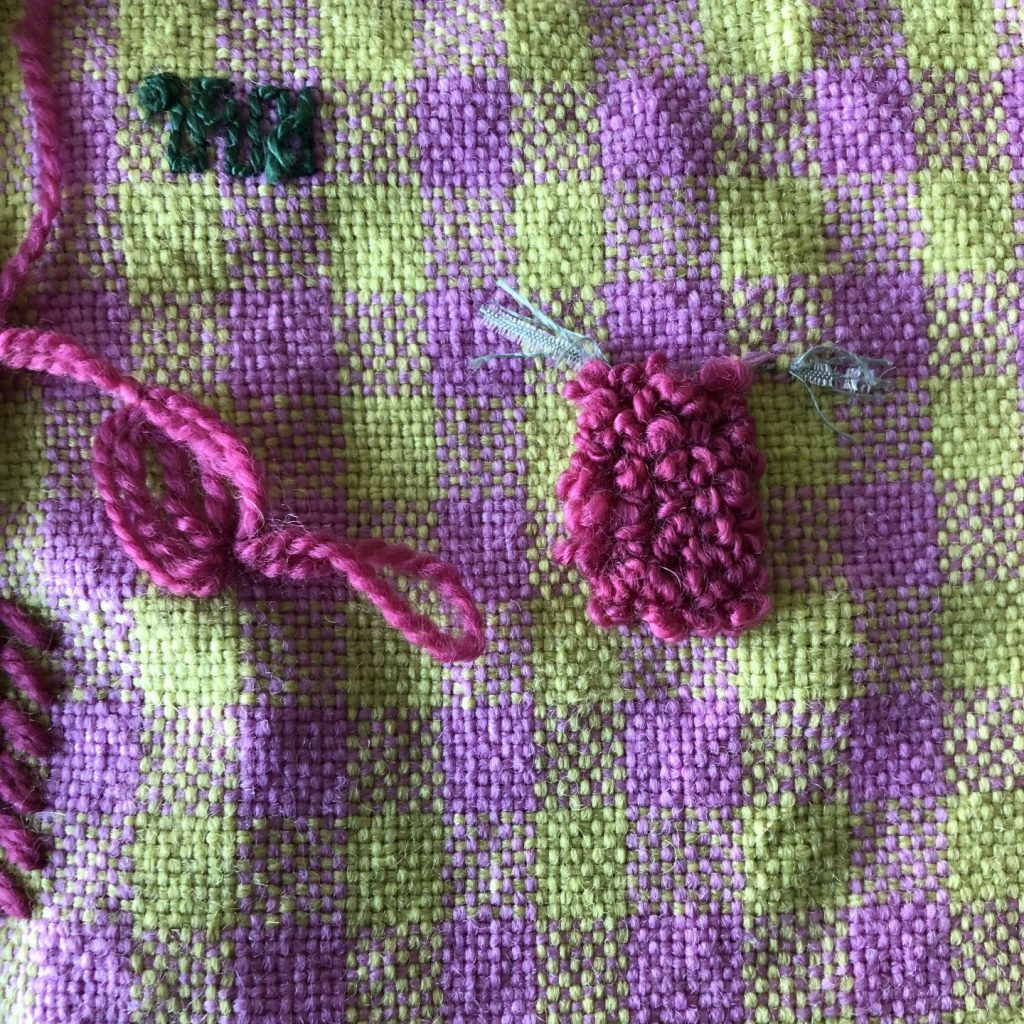
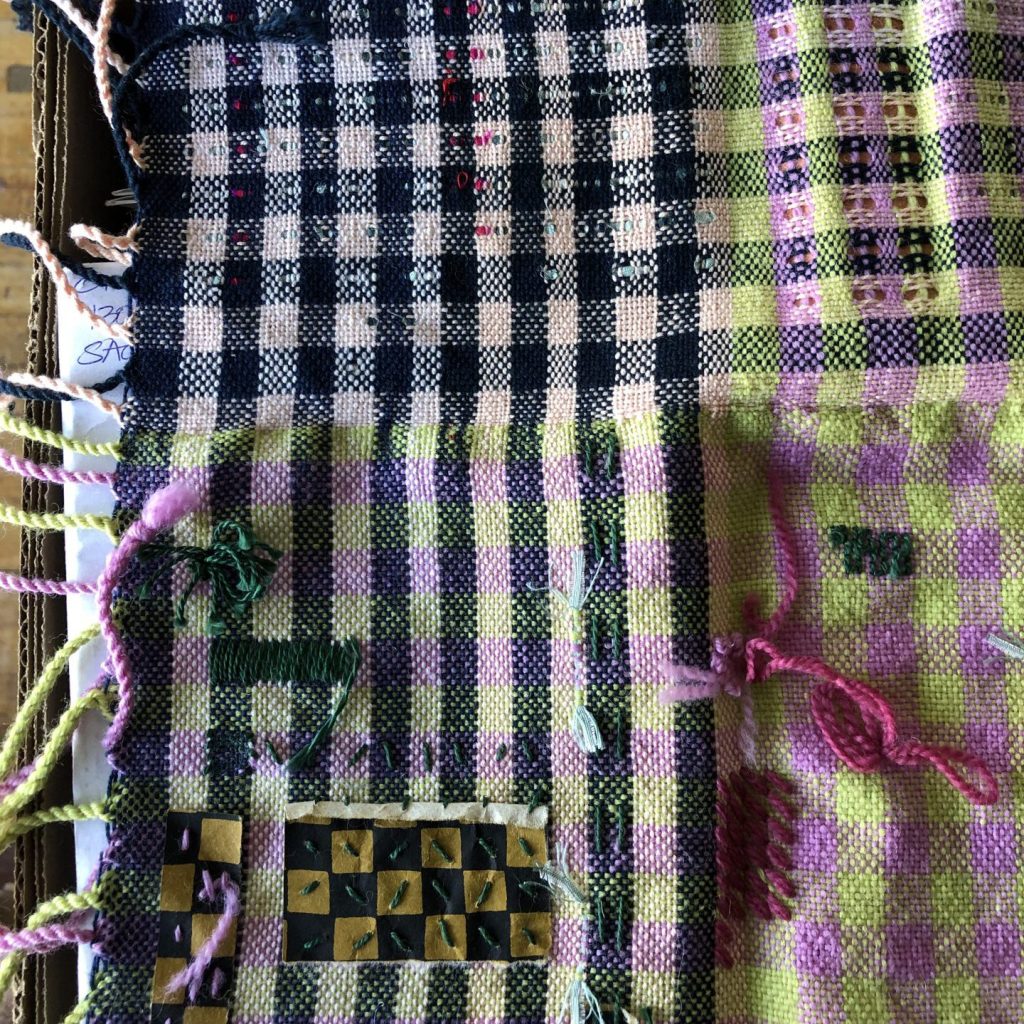
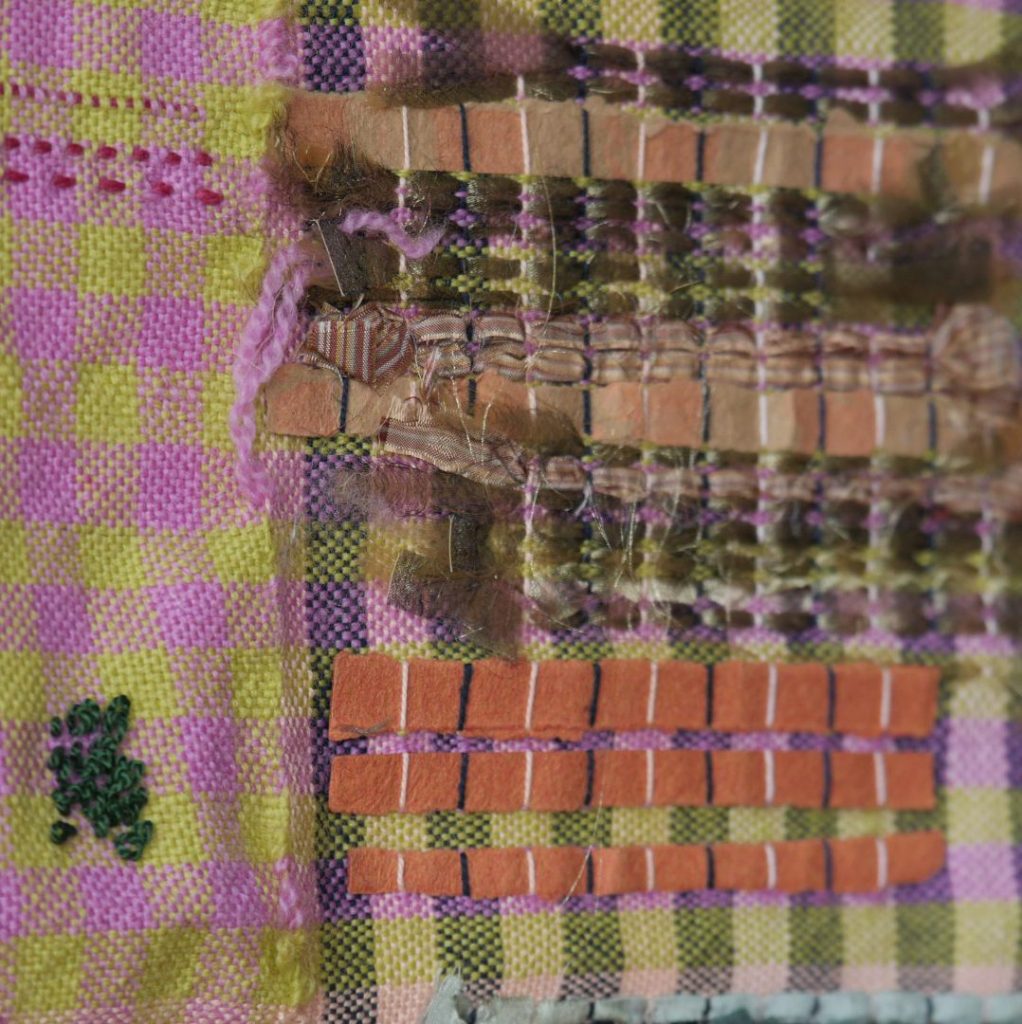
On the artist front, I had artwork to finish for early spring, a looming exhibit deadline. Now in a different studio, with different equipment and a different schedule. Smaller space, smaller loom, smaller pots for dyeing, much less time. My weaving practice, often with naturally dyed threads, was slow and introspective before the pandemic. It’s slowed down to new levels now.
While I work at the loom or at my grandma’s sewing machine, I feel a connection with past generations of textile makers. Repeating the gestures and the sequence of thread manipulations to produce a textile, repeating the motions, motions shared with others making cloth at that moment.
Twice so far, I have used the current warp, which I always plan a bit longer than what I need, to make another artwork. The artwork’s starting point is whatever is on my loom at that moment. There is no time to start from scratch, these small artworks are part of a greater whole.
The pandemic has made my work sharper: new space, new tools, less time. I express the same concept only with less. Art is more solitary. I grow tired of online interactions. I’m not sure how I feel about digital exhibits. I send more mail, use heritage techniques, I make do with materials.
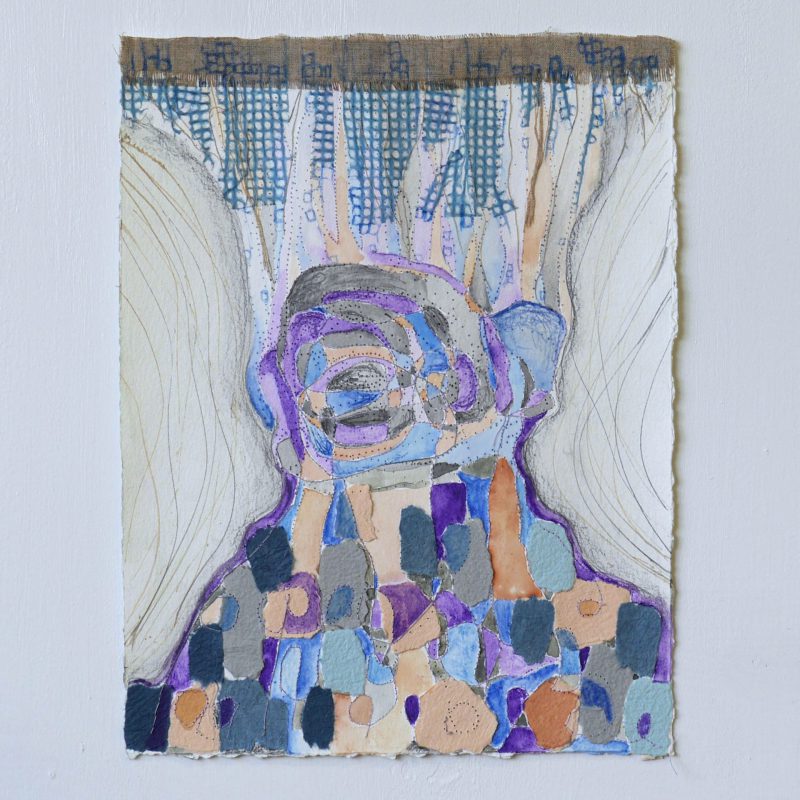
Art fills most of my time, probably just as much as before the pandemic, but it’s different now. More art with family, slower art and therapeutic making for myself. Art enters my domestic space, the domestic space enters my art. Art allows me to engage, with others, with myself, with the past and the future.
CAROLYN WEISNAGEL // Rigaud, Quebec, Canada
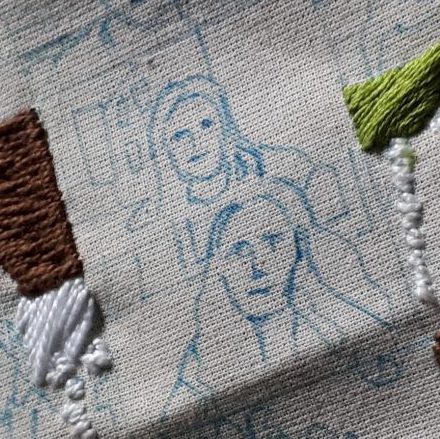
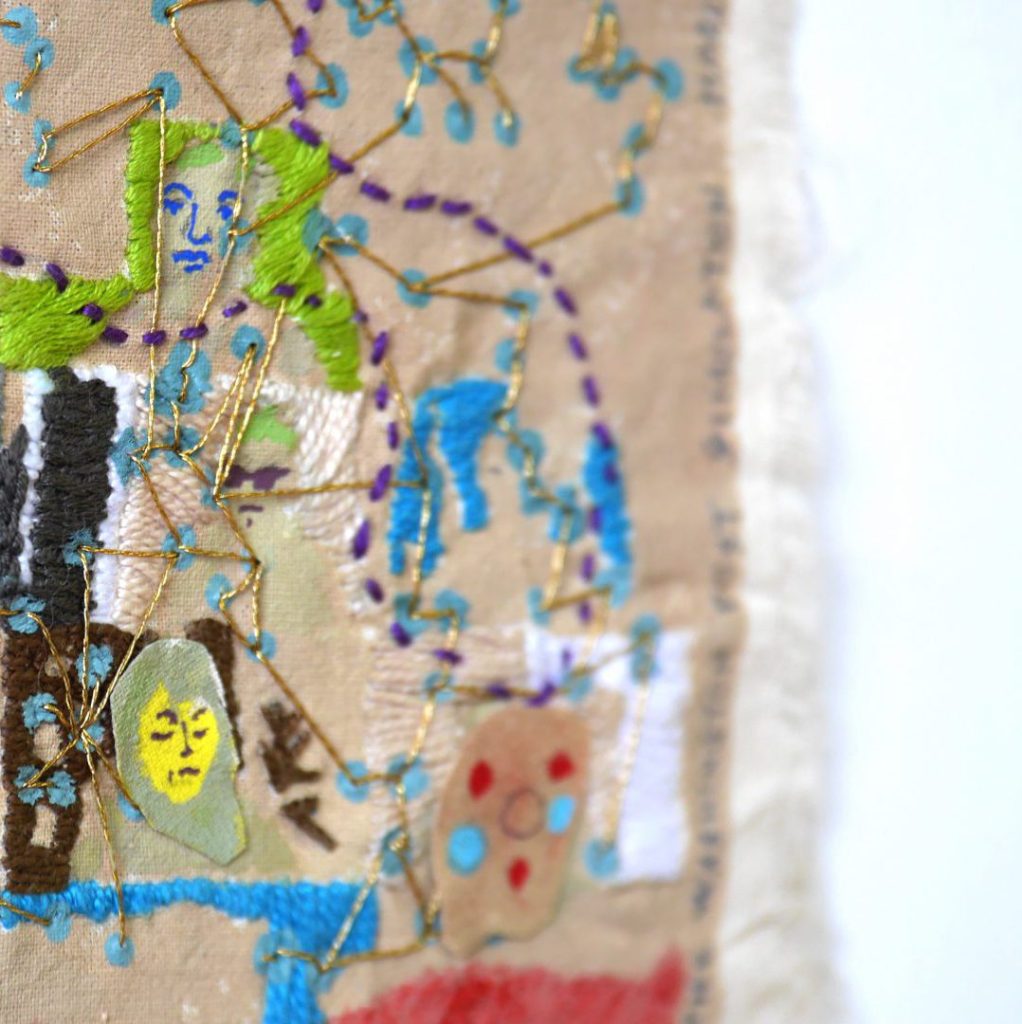
What is art for?
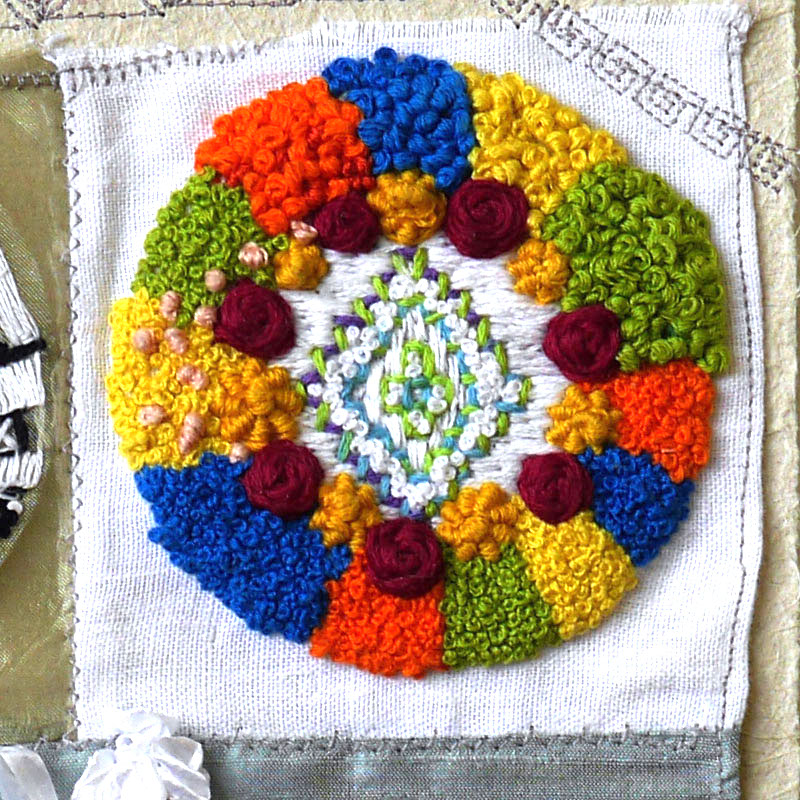
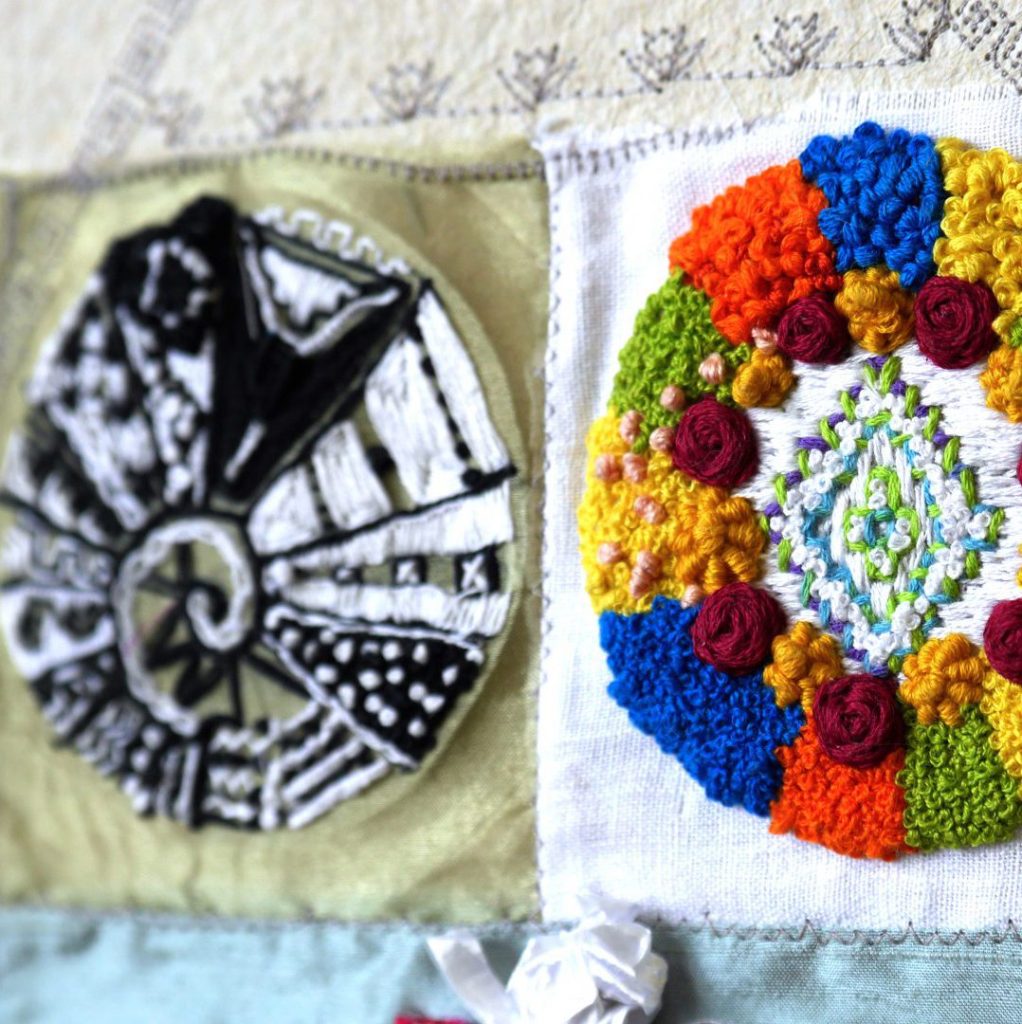
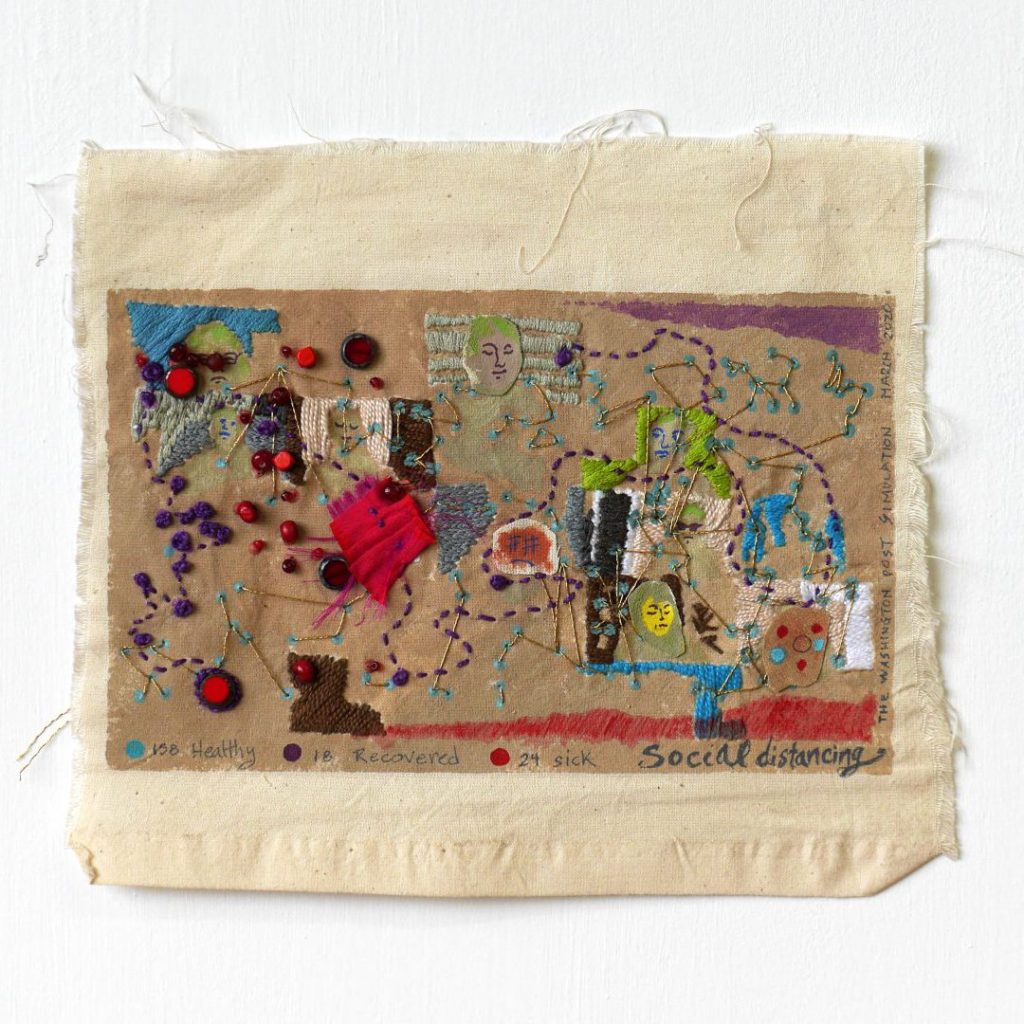
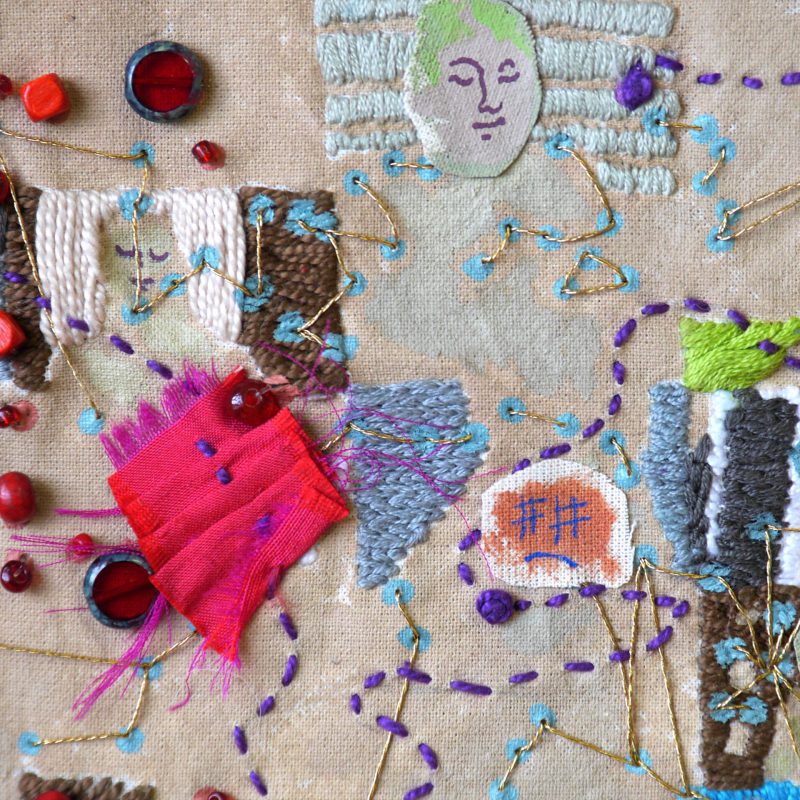
The teachers and staff who met and continue to meet inside of my 13” screen space. The new “ZOOM” normal. As I stitched portraits in the most rudimentary way, I considered the deadly disease infecting our lives. The intention started with a grid of faces, and slowly evolved to contain those few whose relationships I most missed and valued. This slow process of making came to represent how Art is for “remembering”, one stitch at a time.
MEGAN K. WHYTE // Kahnawá:ke, Quebec, Canada
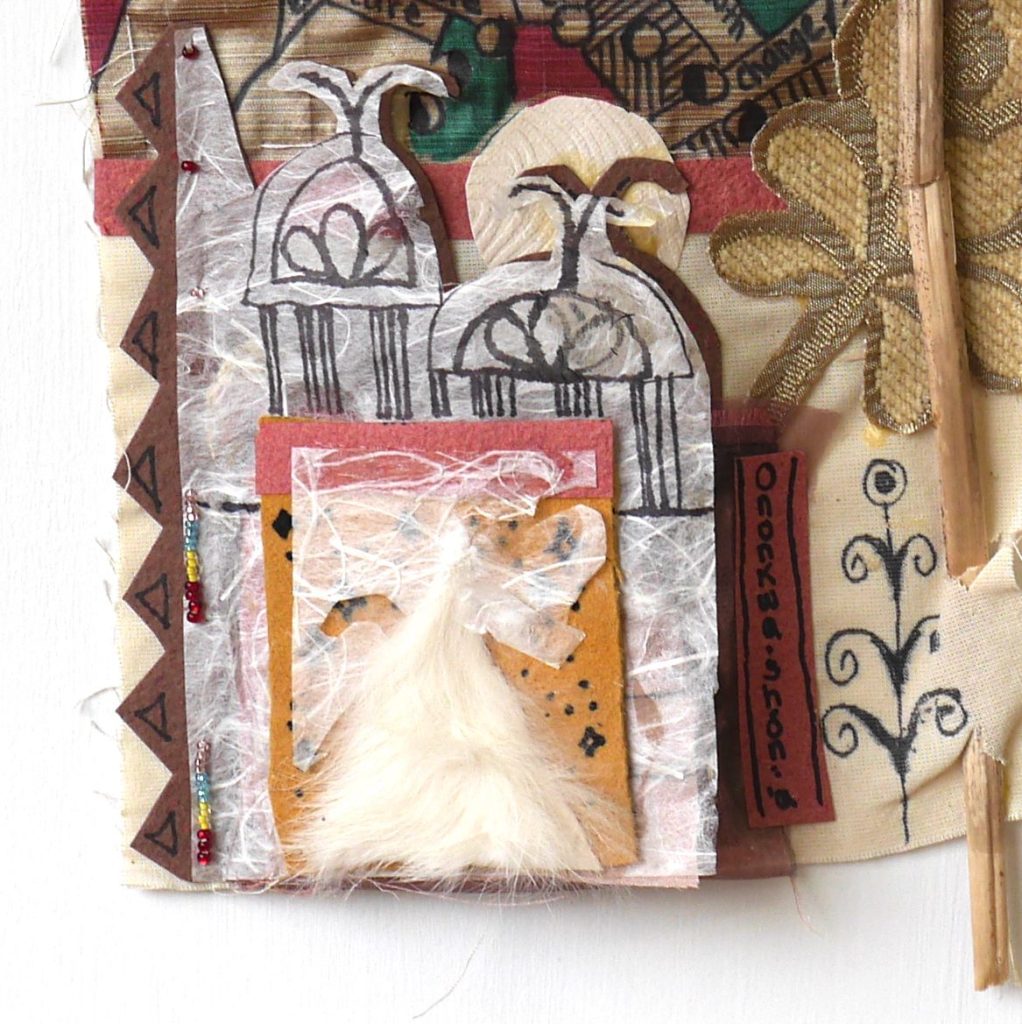
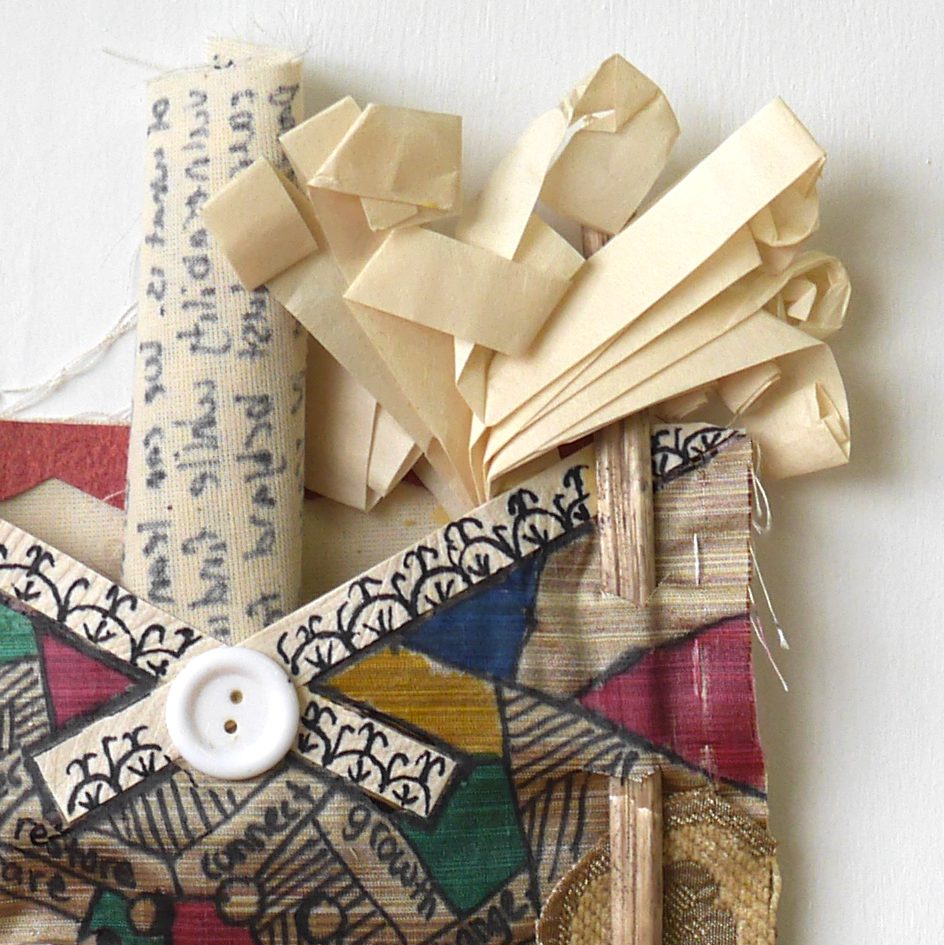
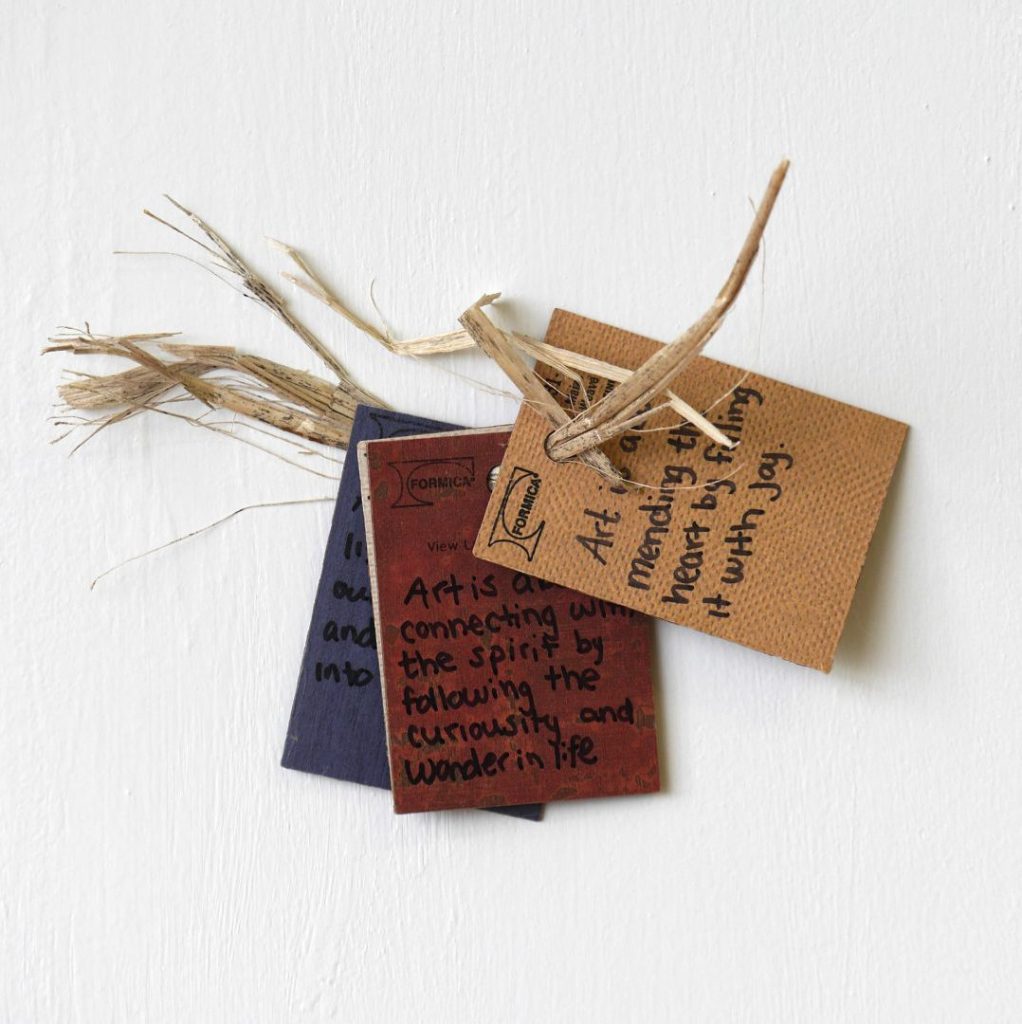
Art is for mending the heart by filling it with joy.
Art is about connecting with the spirit by following the curiosity and wonder in life.
Art is about meeting our minds where they are at. Calm the waves.
Art is about listening to our bodies and leaning into ourselves.
* For the pandemic declaration and statistics cited for that day, see “WHO Director-General’s opening remarks at the media briefing on COVID-19 – March 11, 2020.”
** Public health officials in Sweden reportedly acted on the belief that by not restricting activities as much as did other countries, even its Nordic neighbours, they might suffer more in the first wave (winter-spring 2020) but would fare better in the second wave (fall-winter 2020). The data do not bear this out. See Afzal S. Siddiqui’s analysis, “The Real Lesson of Sweden’s Laissez-Faire COVID-19 Response,” (February 26, 2021).
*** According to the New York Times, “Coronavirus World Map: Tracking the Global Outbreak,” March 5, 2021.